BIP for Staff: Micro-Credentials Masterlab
19-23 Oct 2026
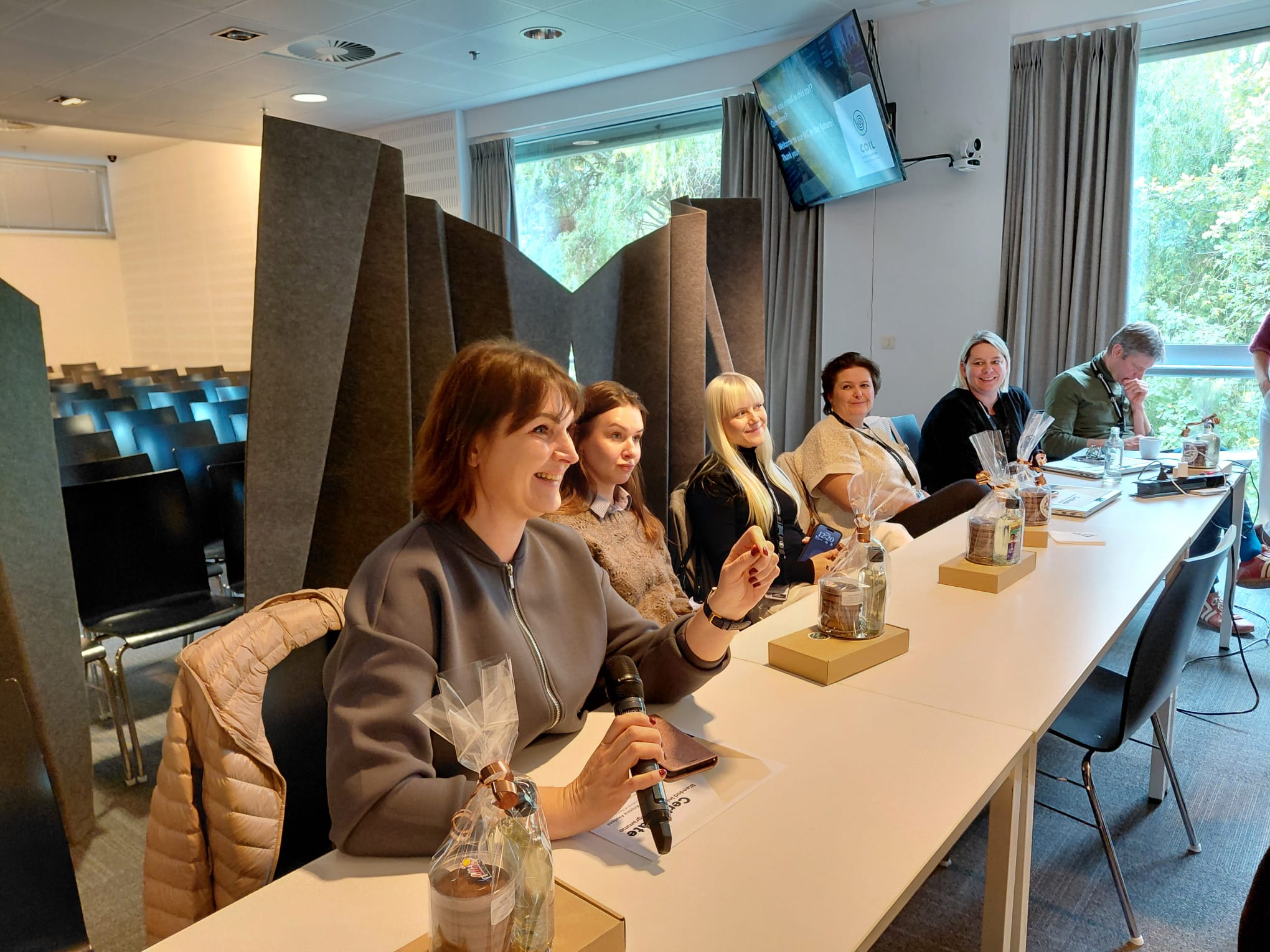
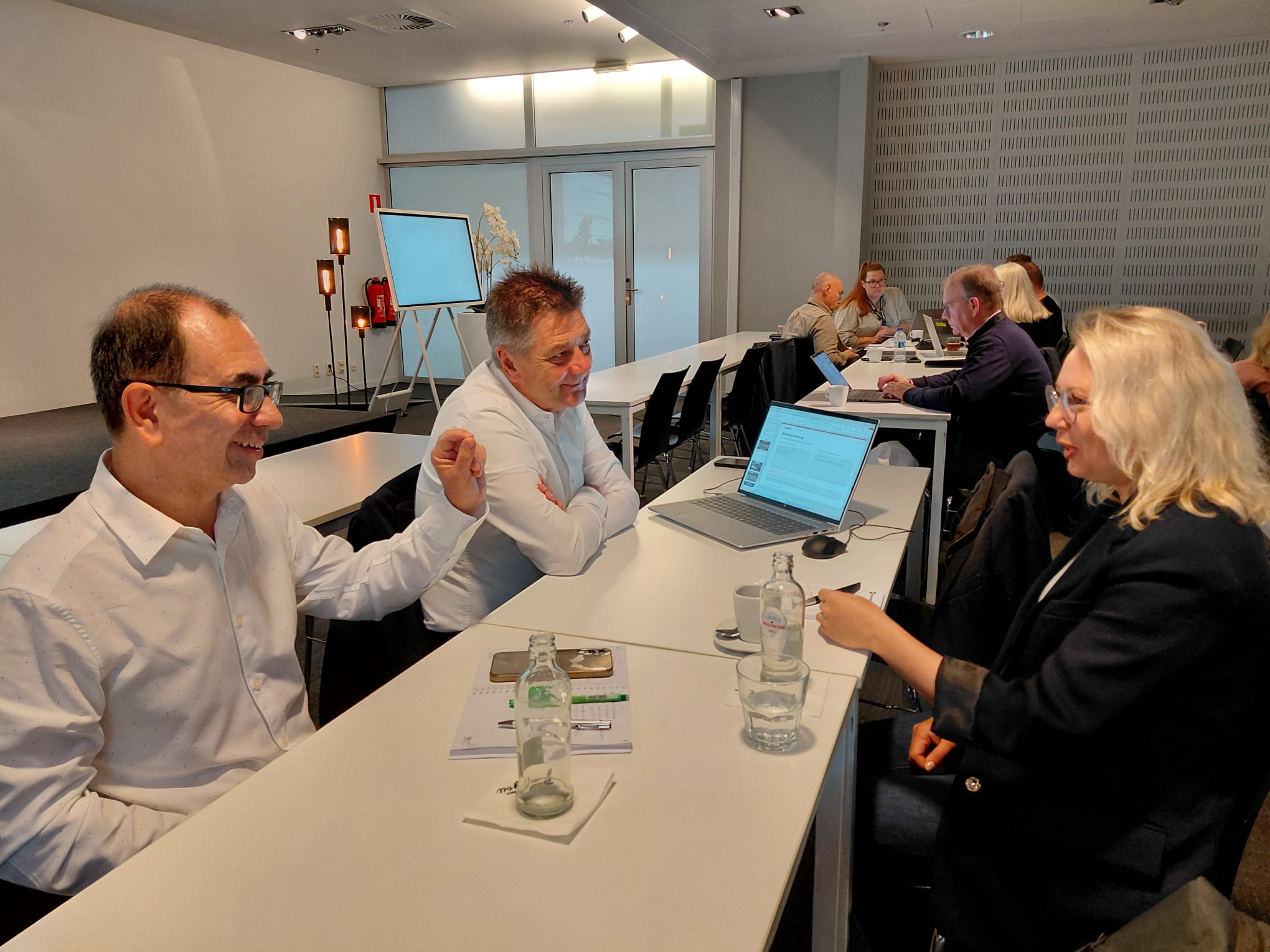
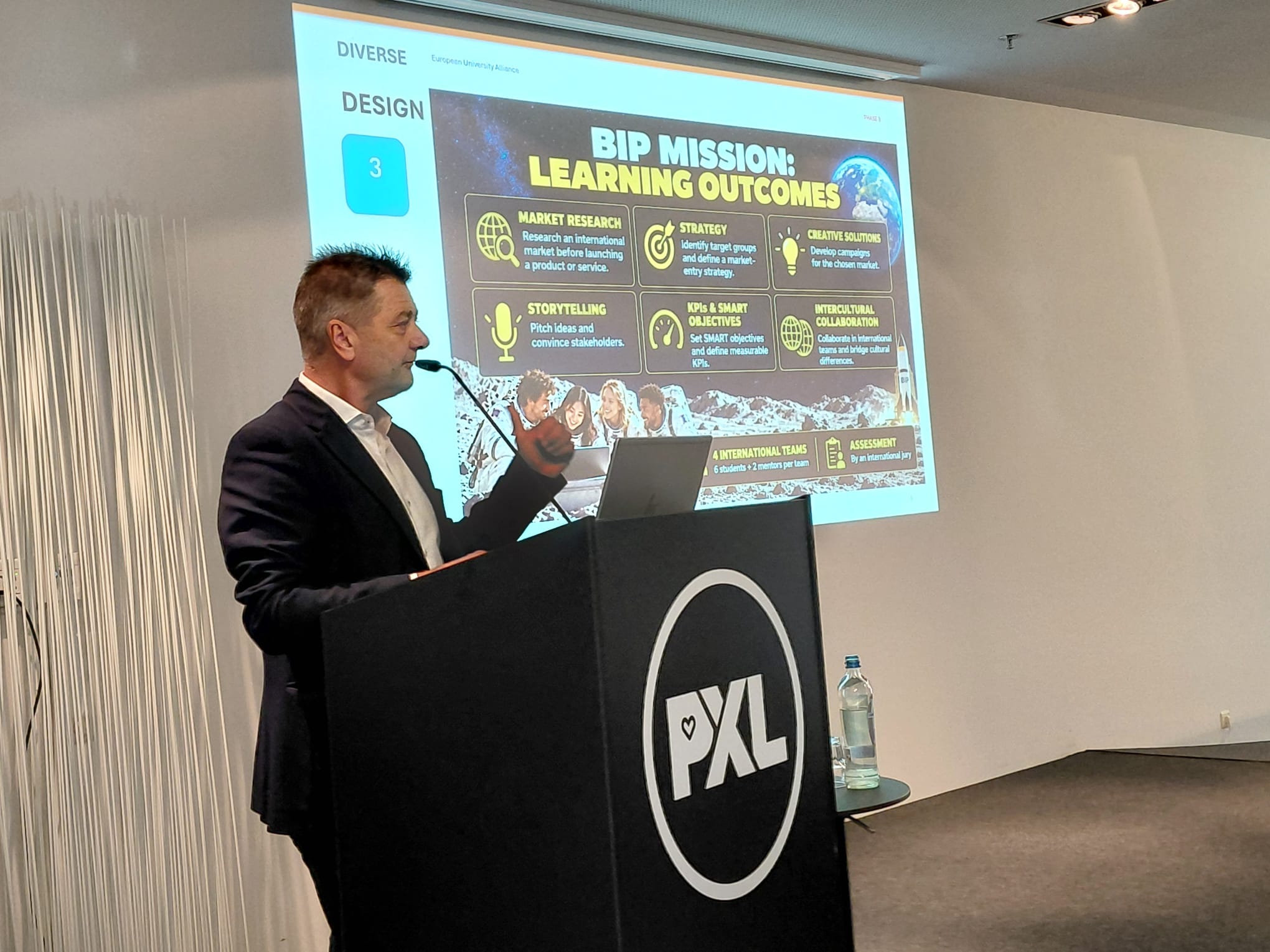
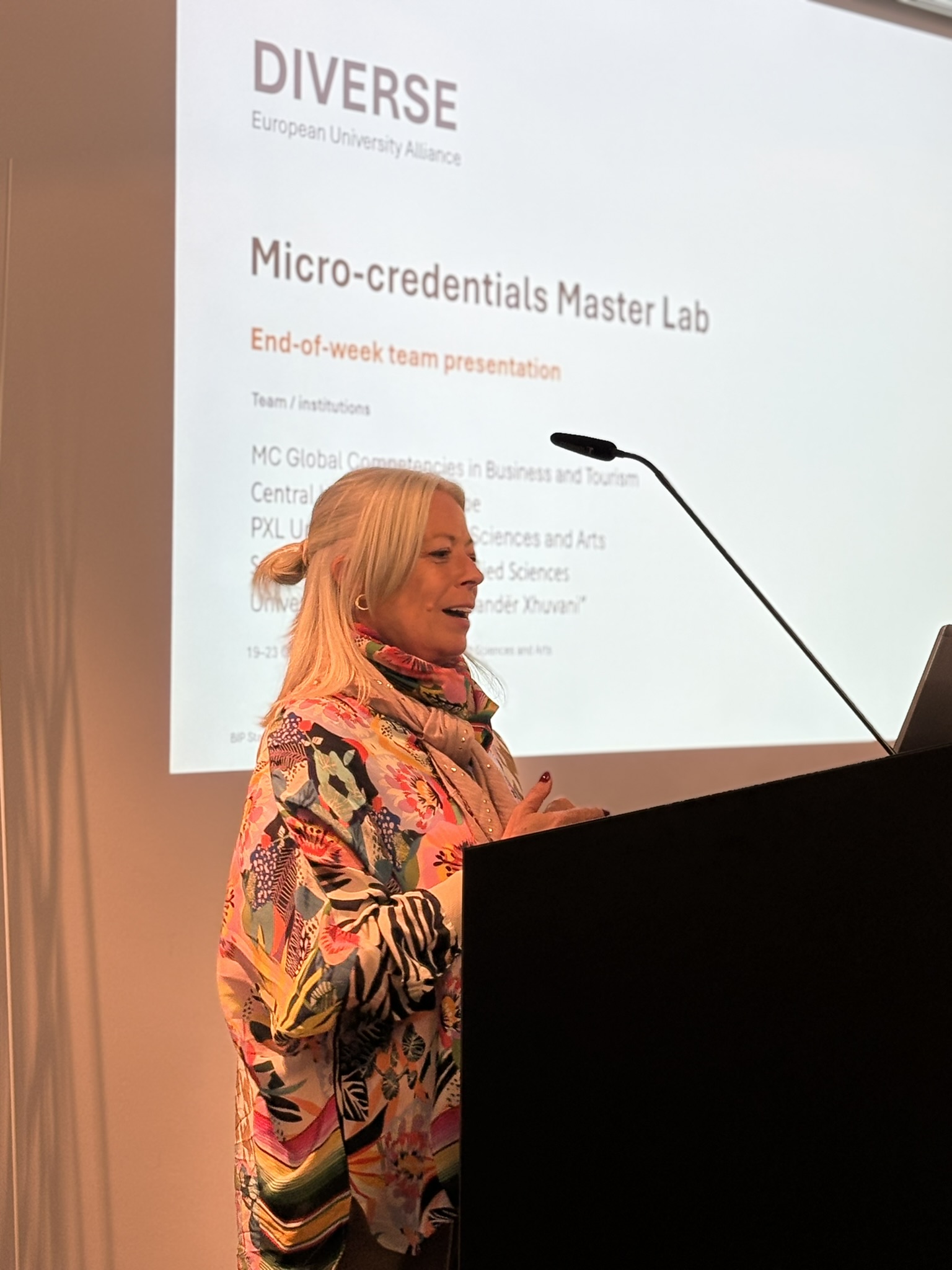
More than a bright idea - A look behind the scenes of the Micro-Credentials Master Lab
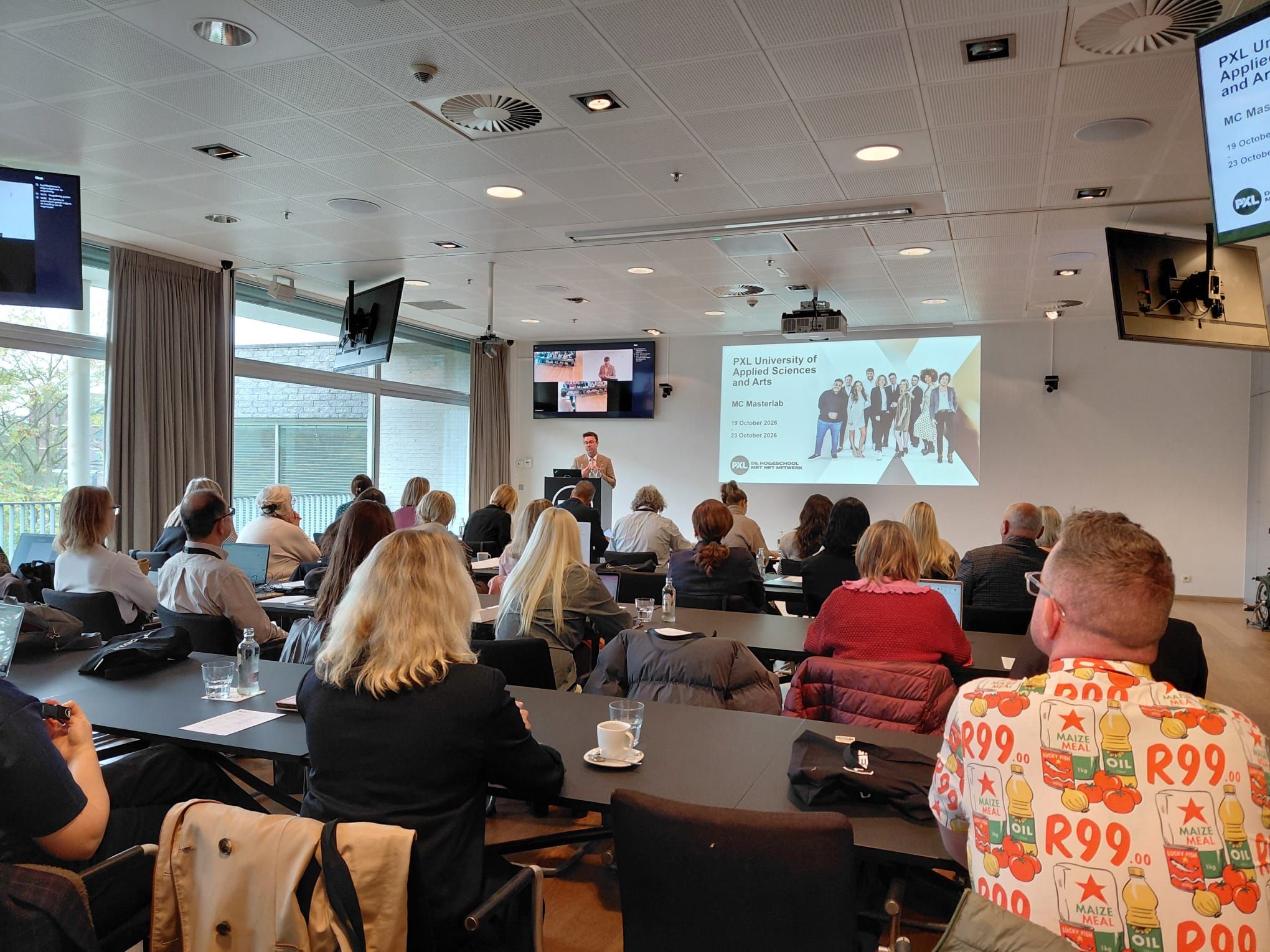
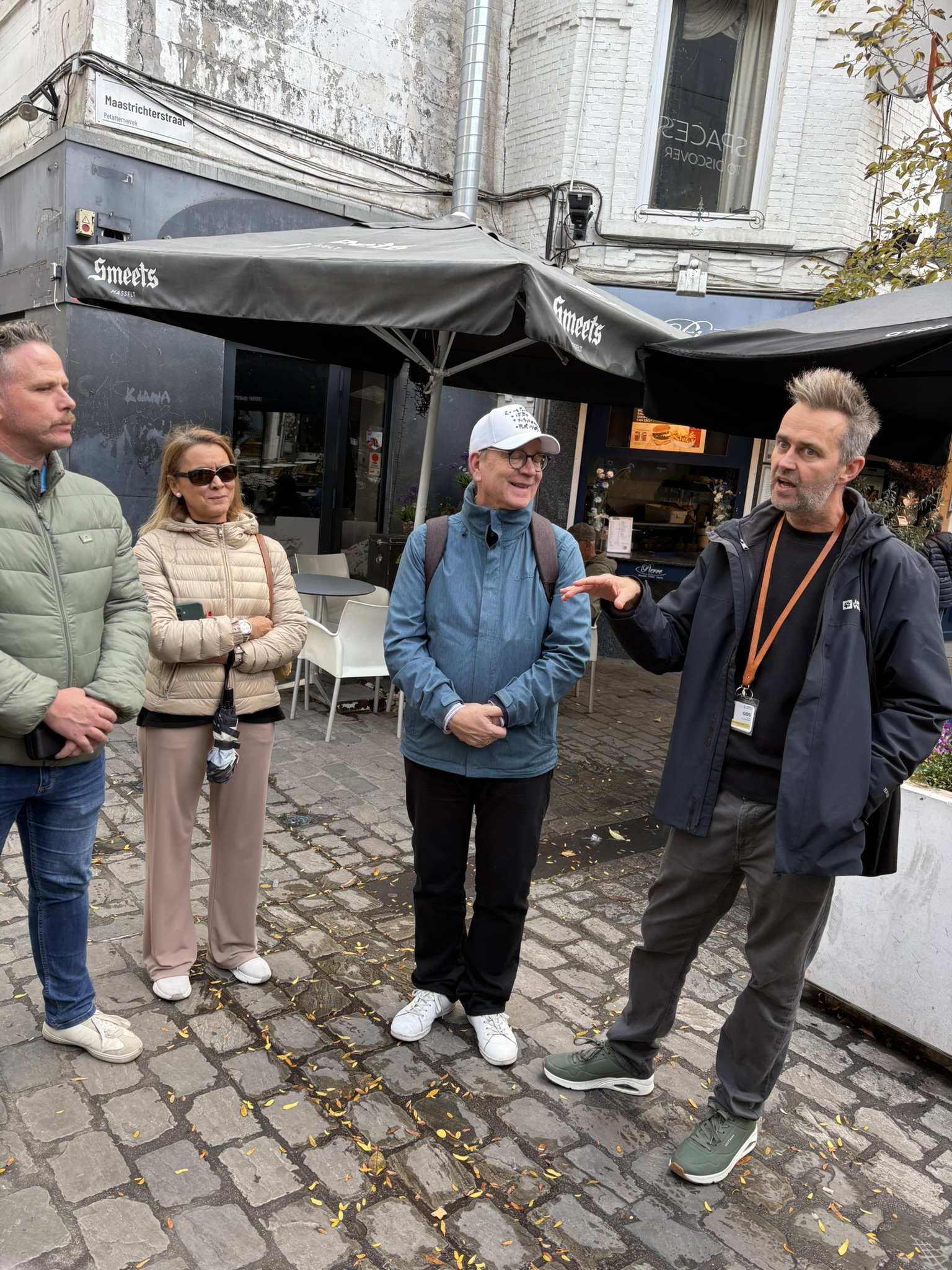
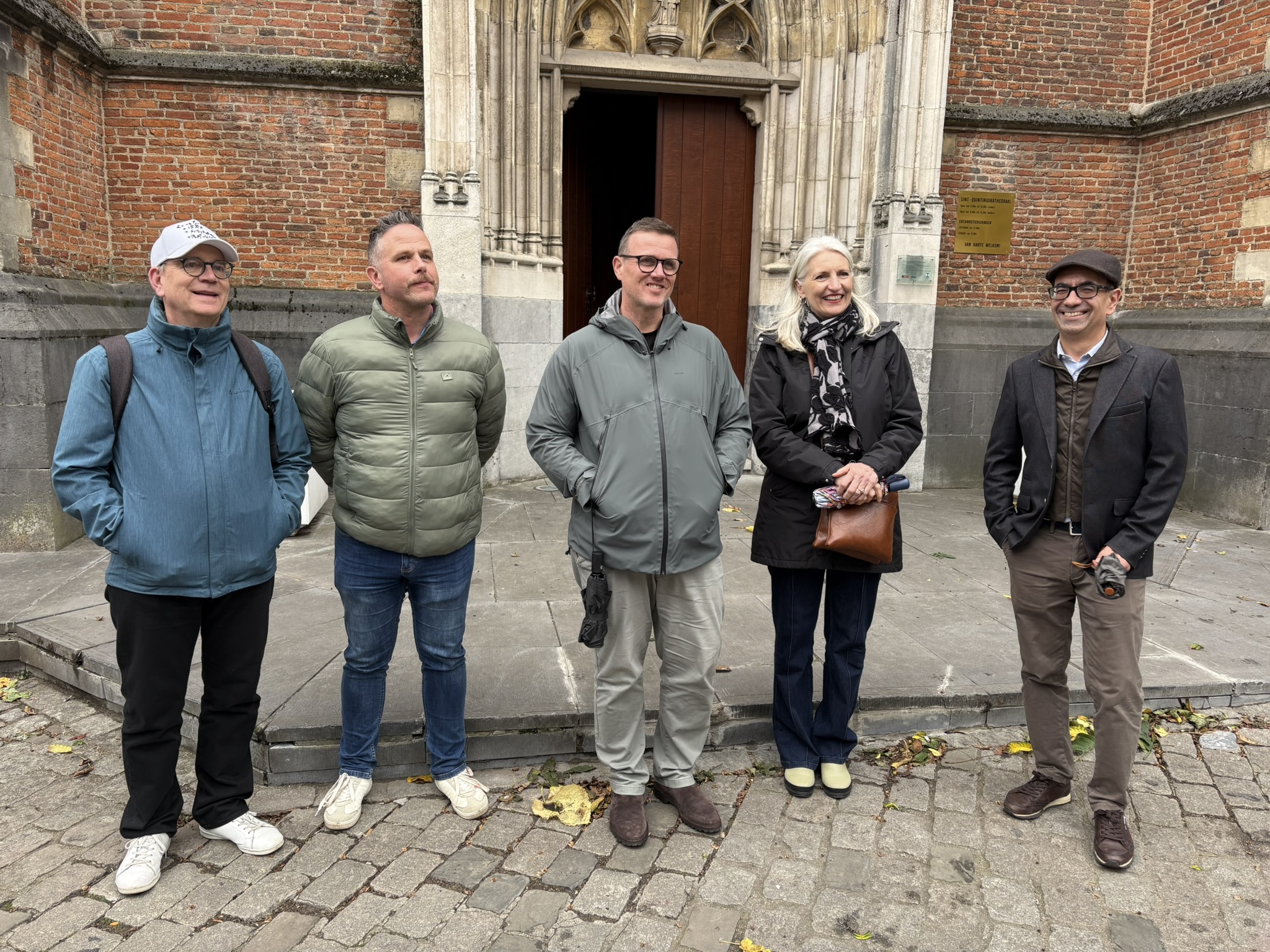
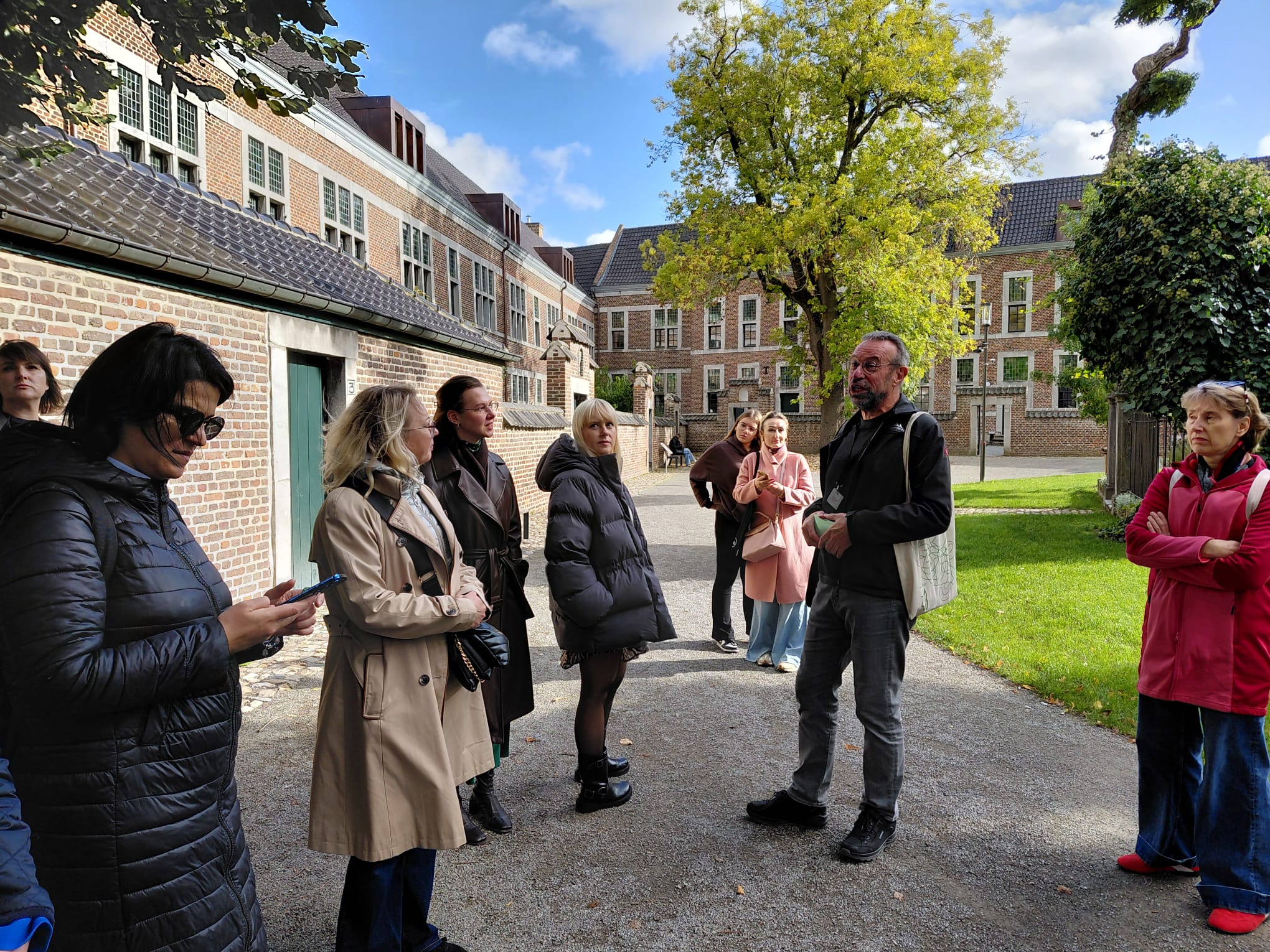
How can international partners jointly develop high-quality micro-credentials that respond to societal needs and labour market demands? This question was at the heart of the Micro-Credentials Master Lab, an Erasmus+ Blended Intensive Programme (BIP) organised by PXL University of Applied Sciences and Arts.
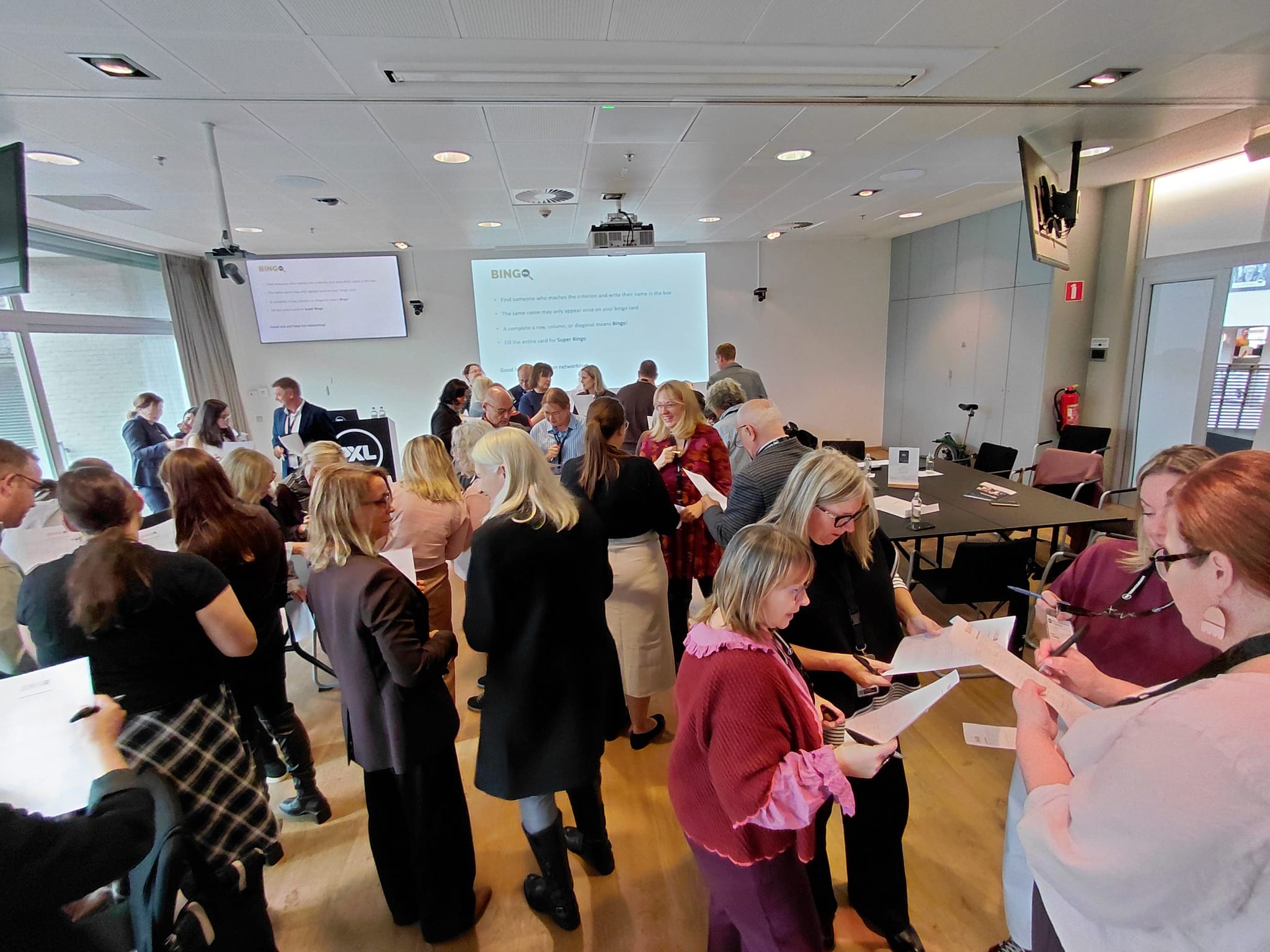
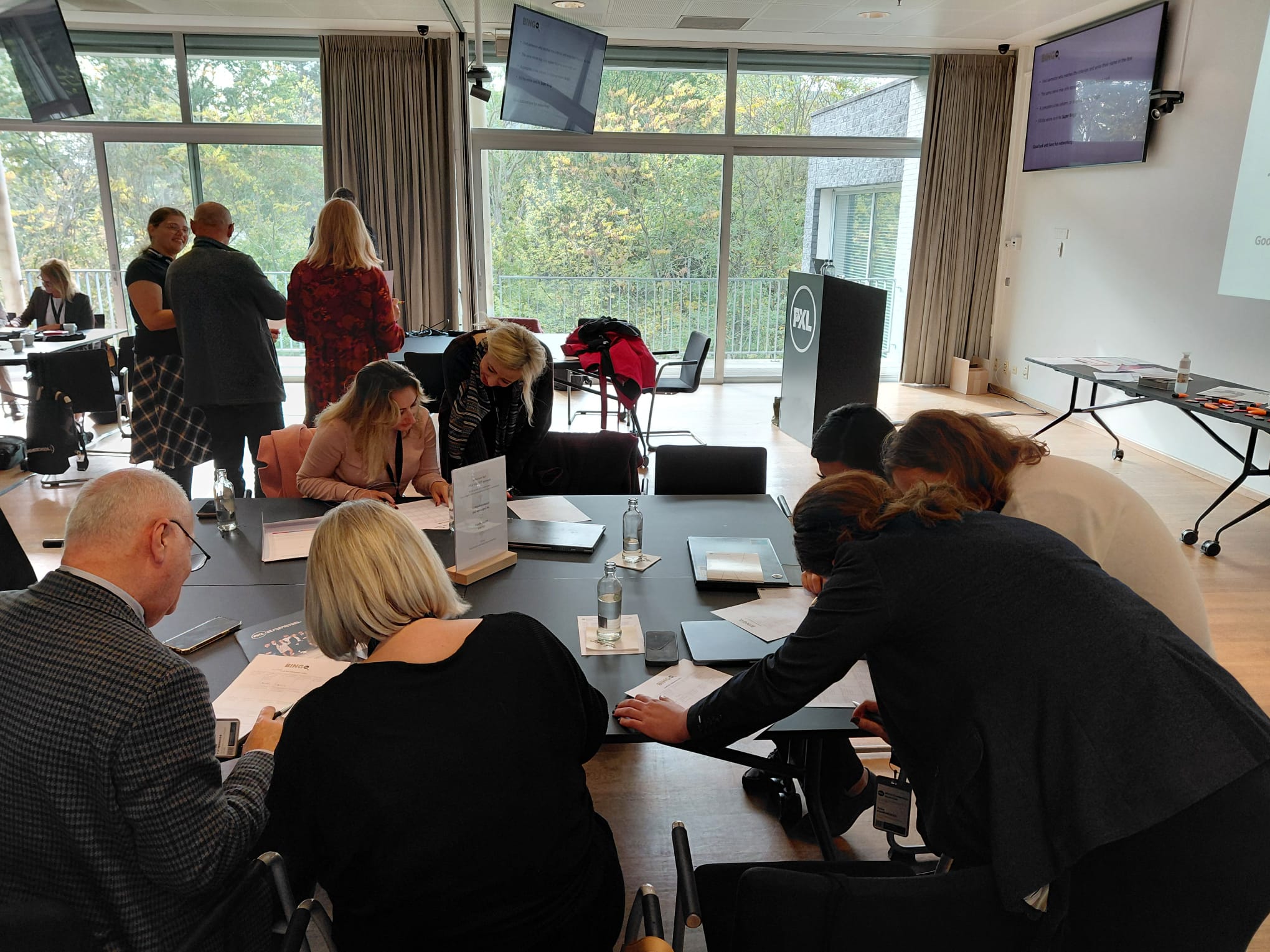
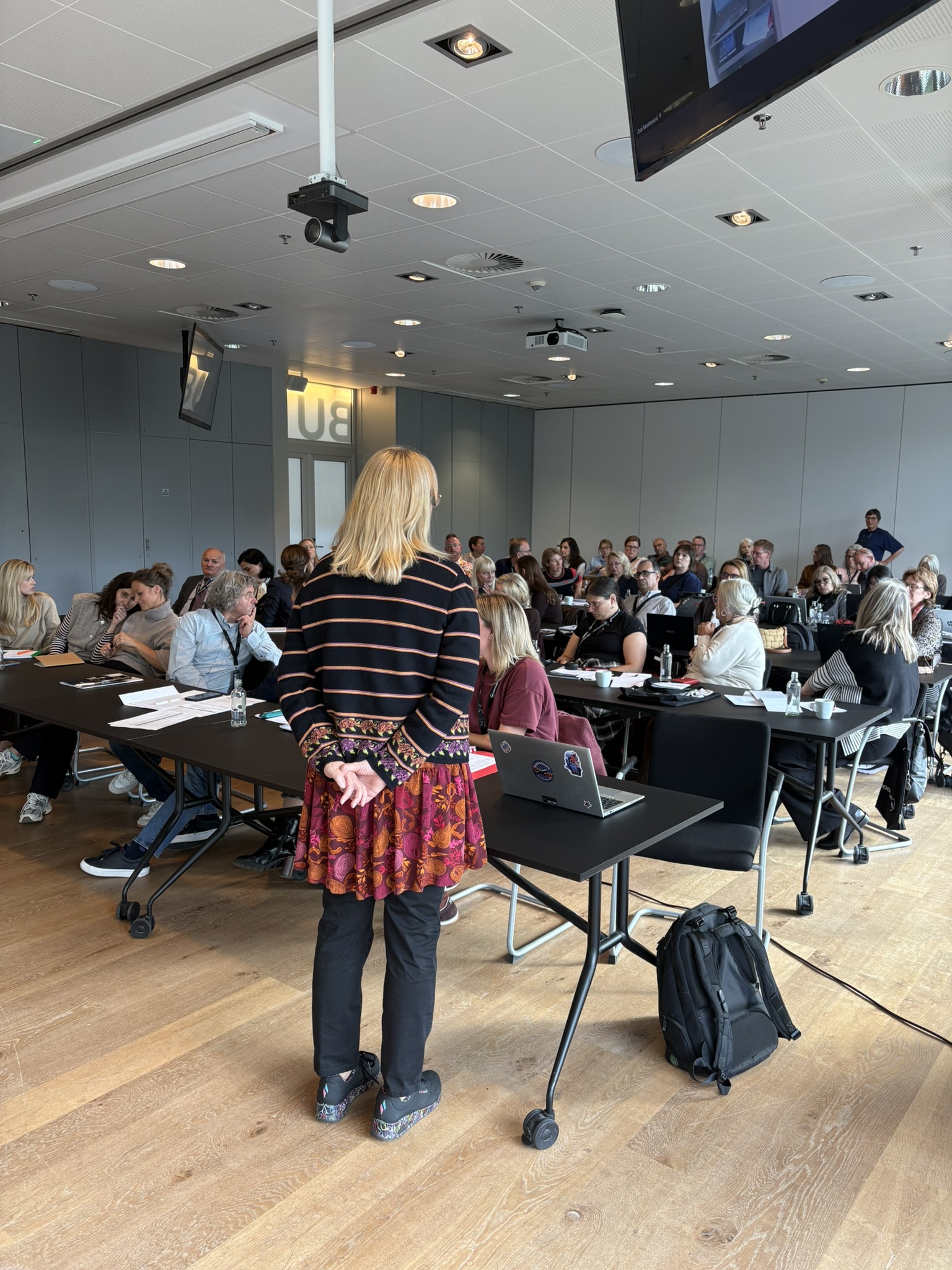
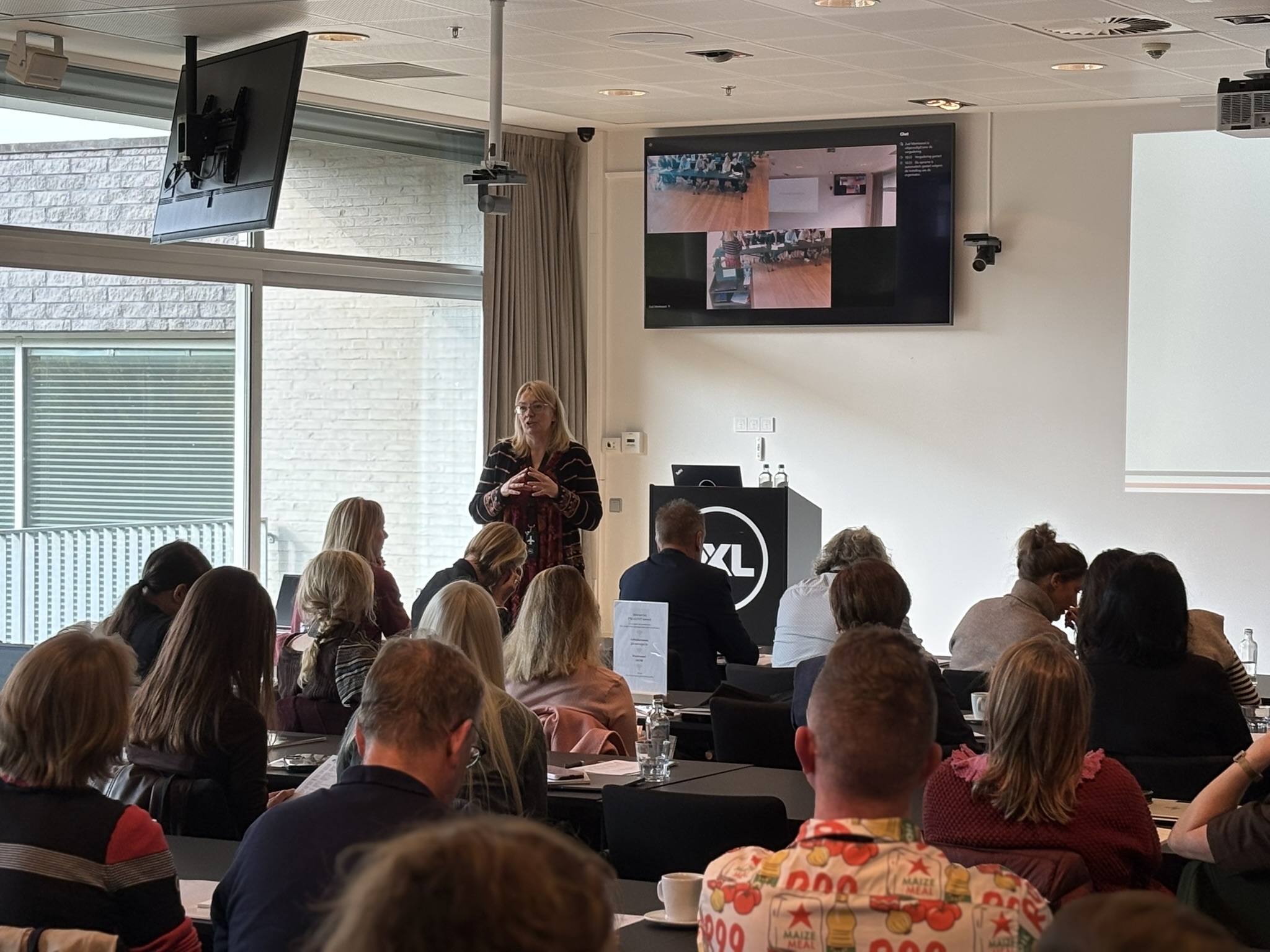
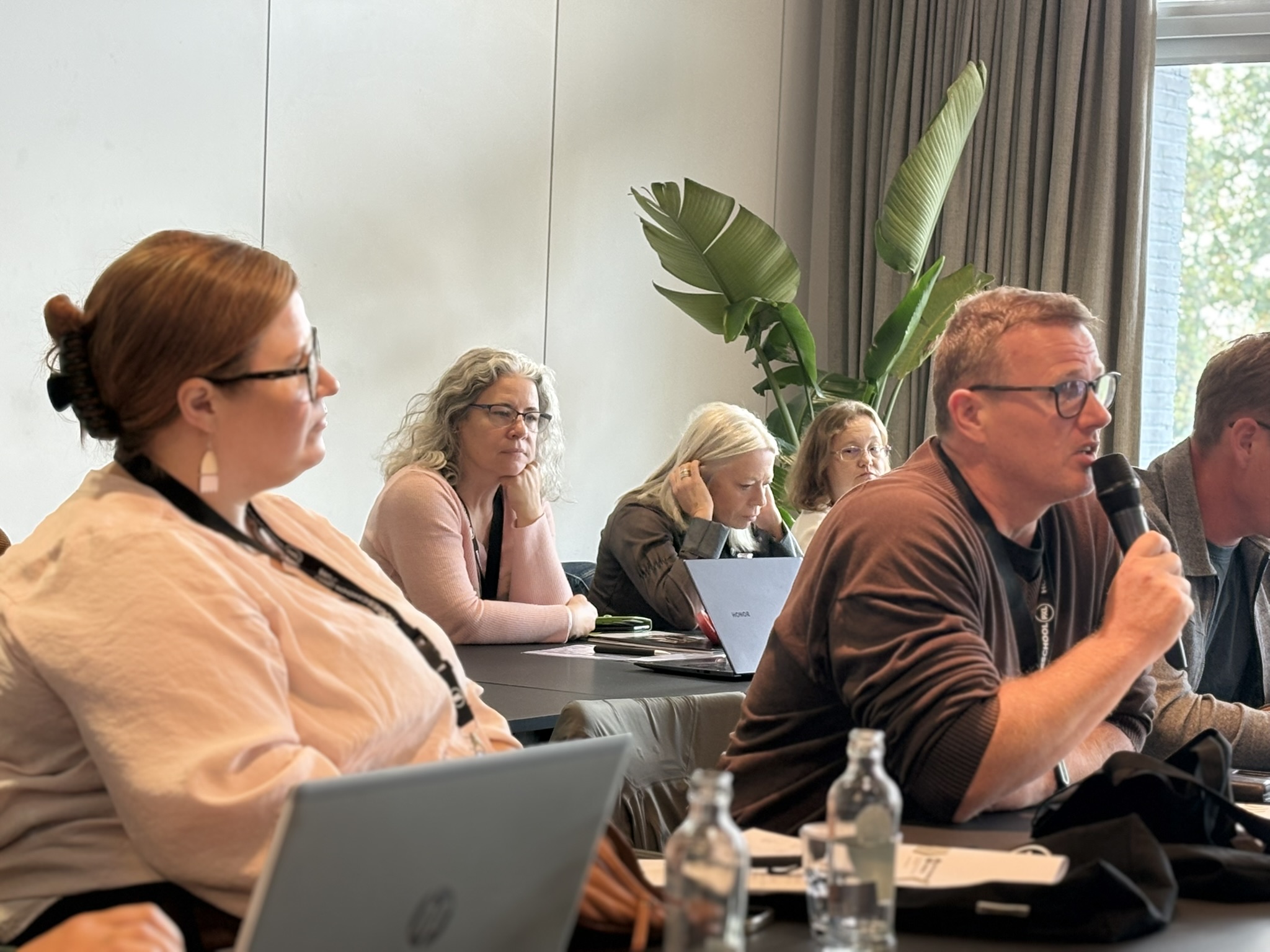
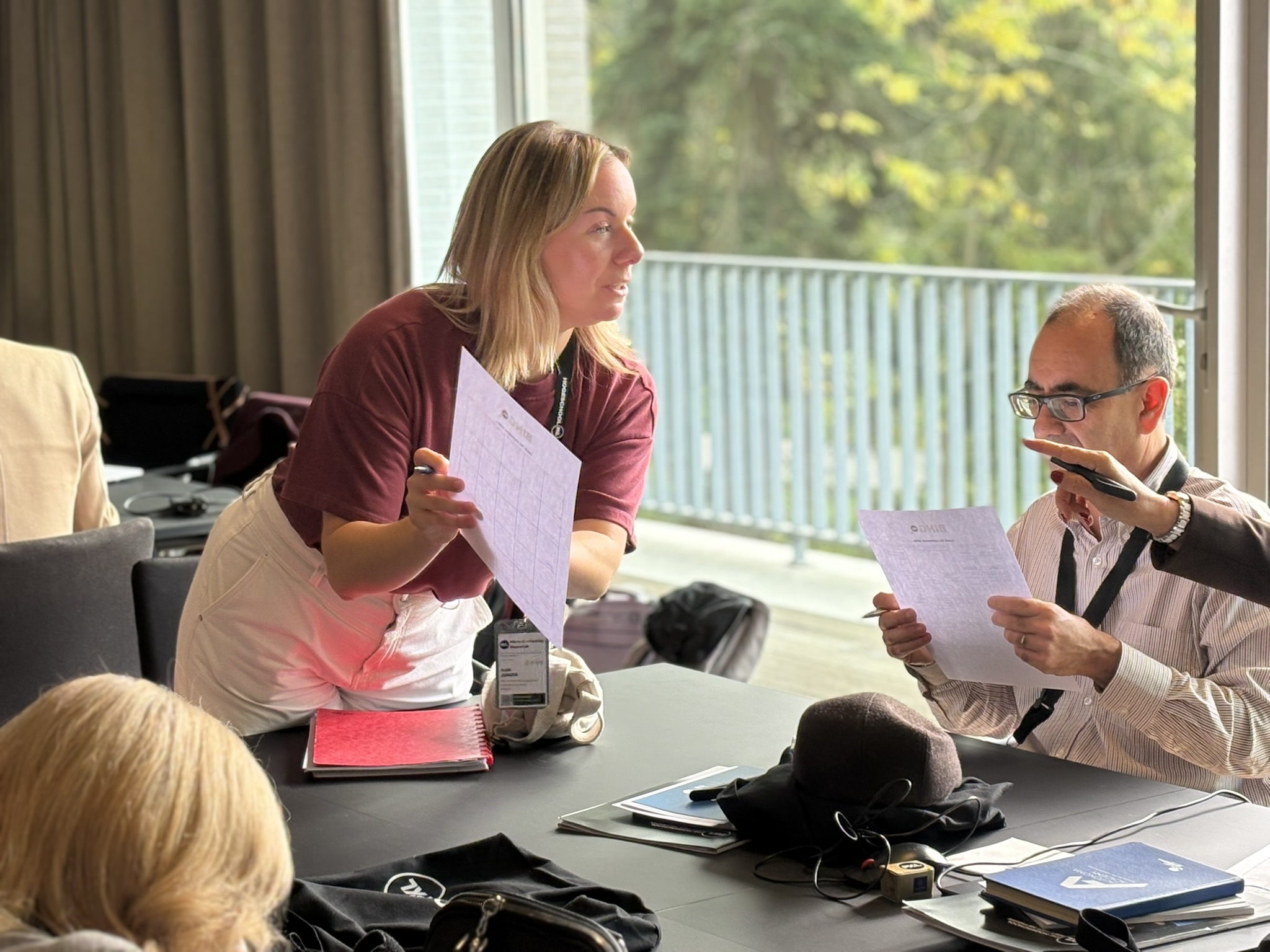
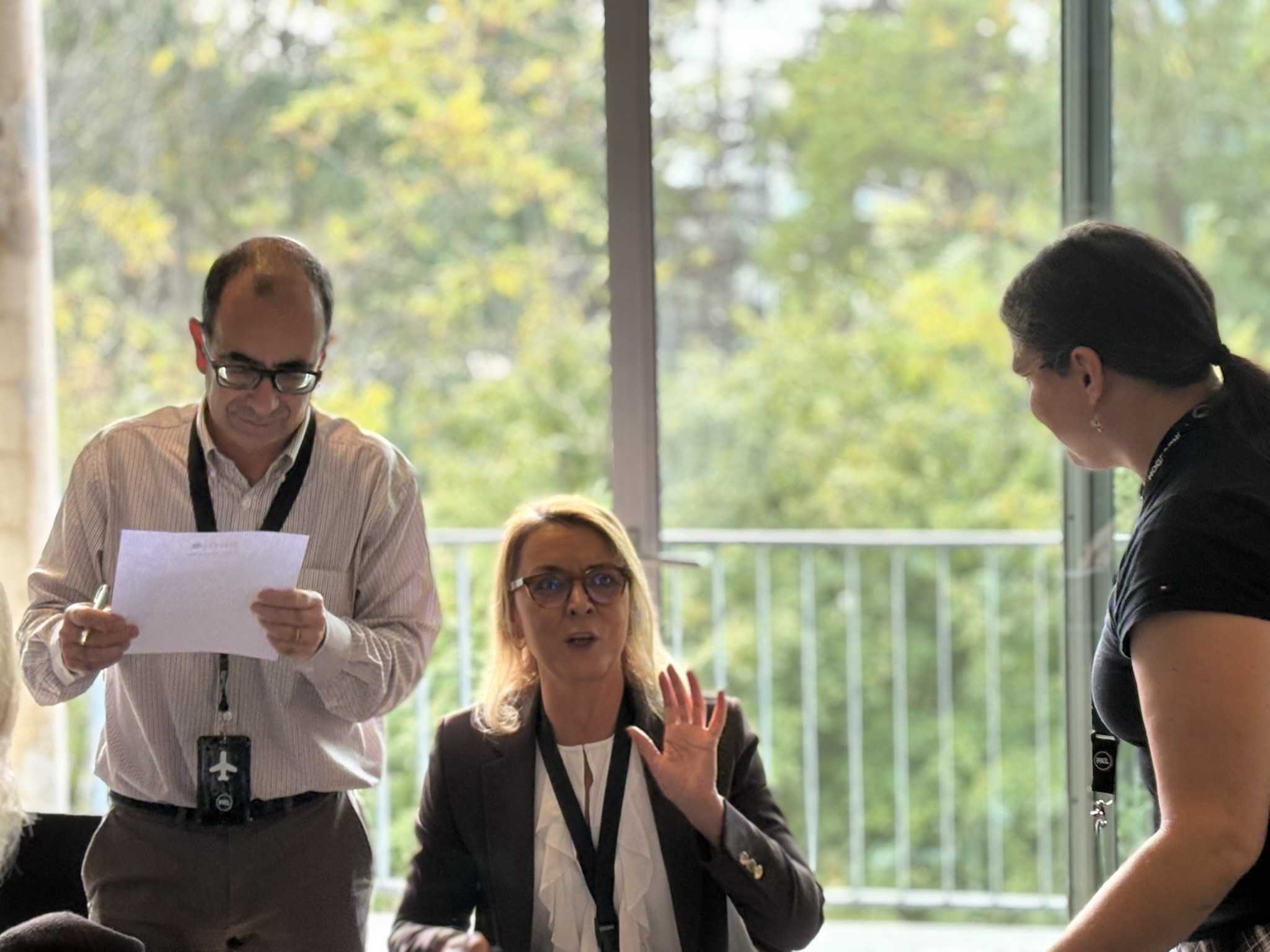
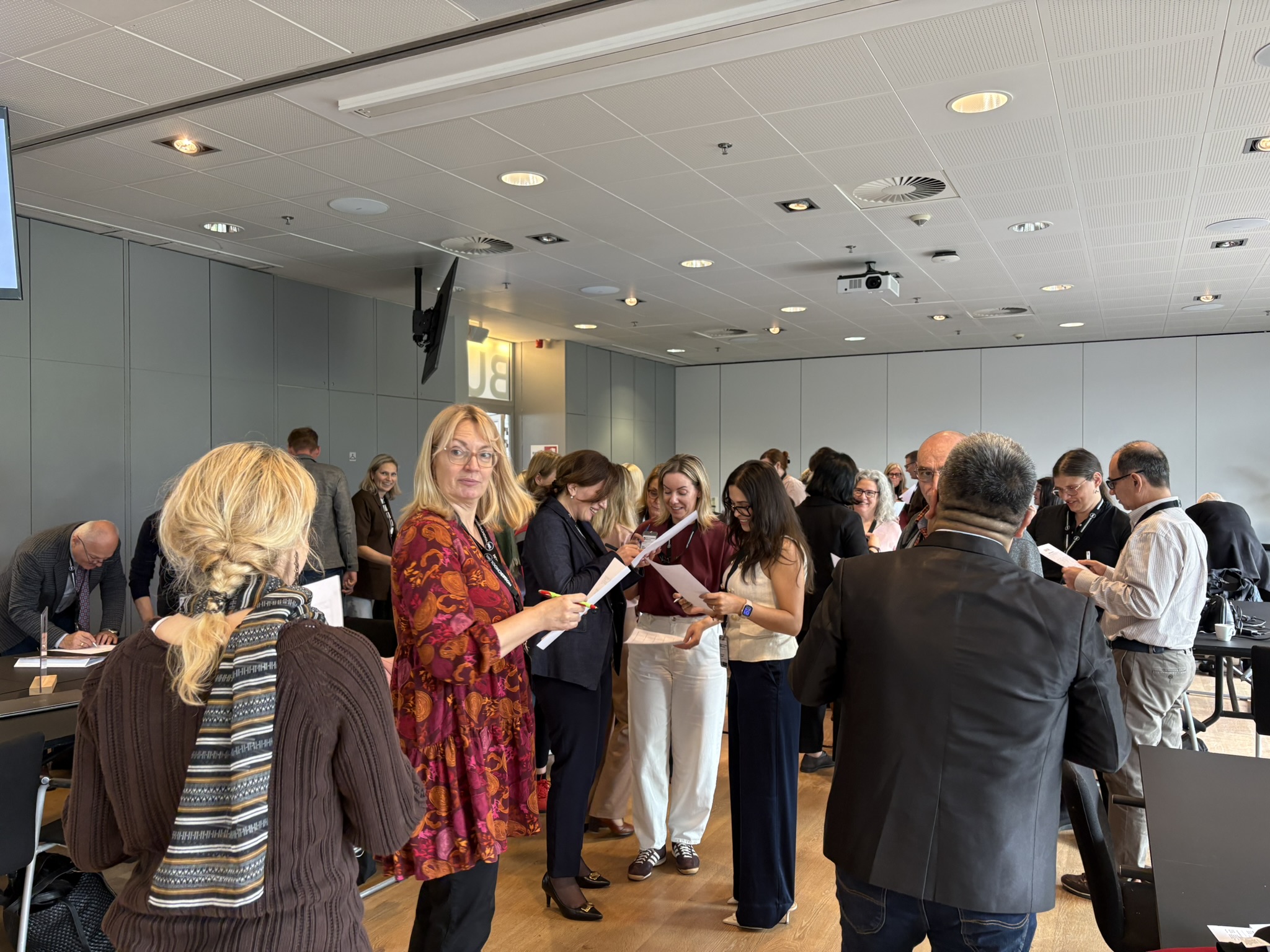
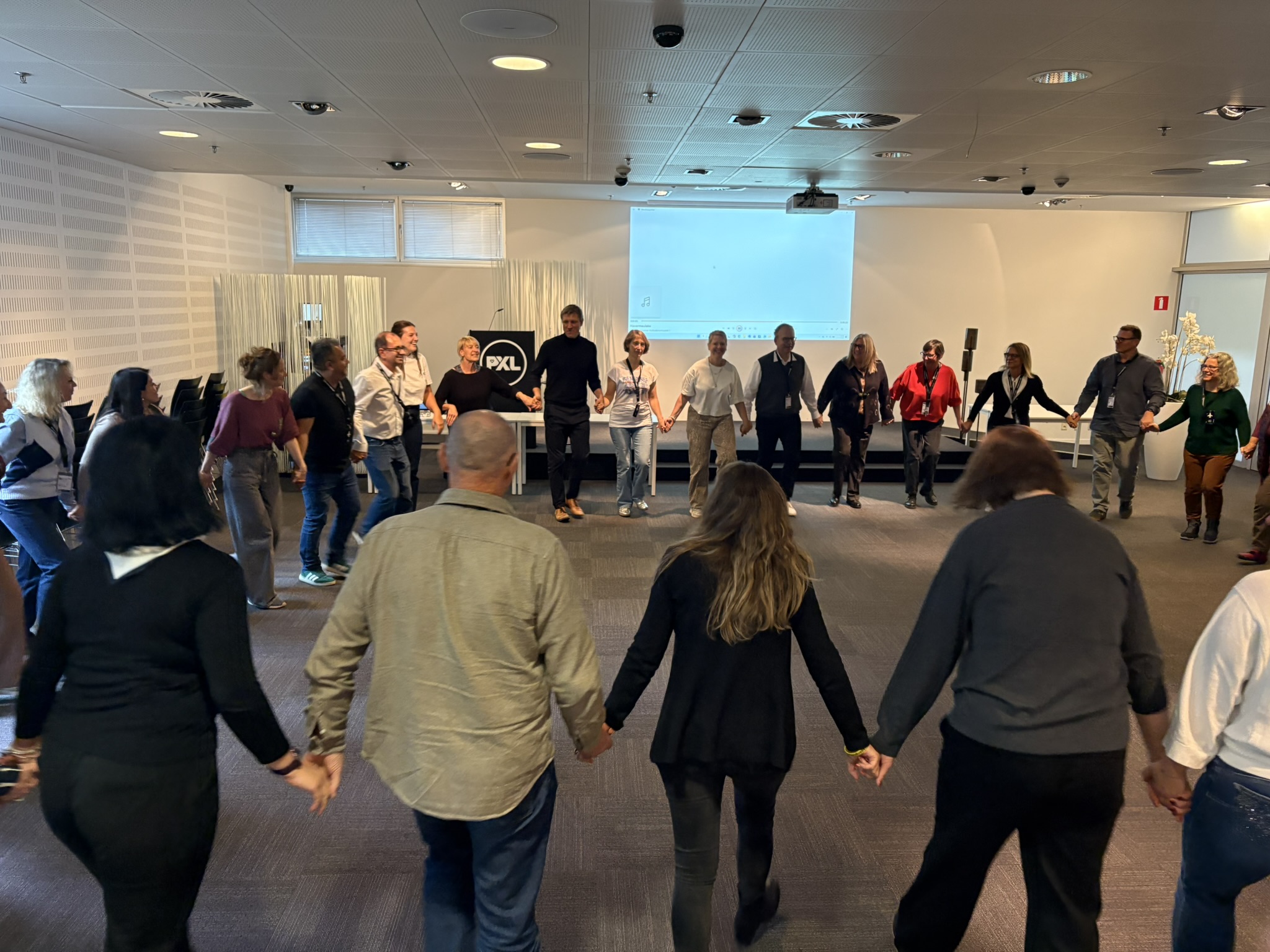
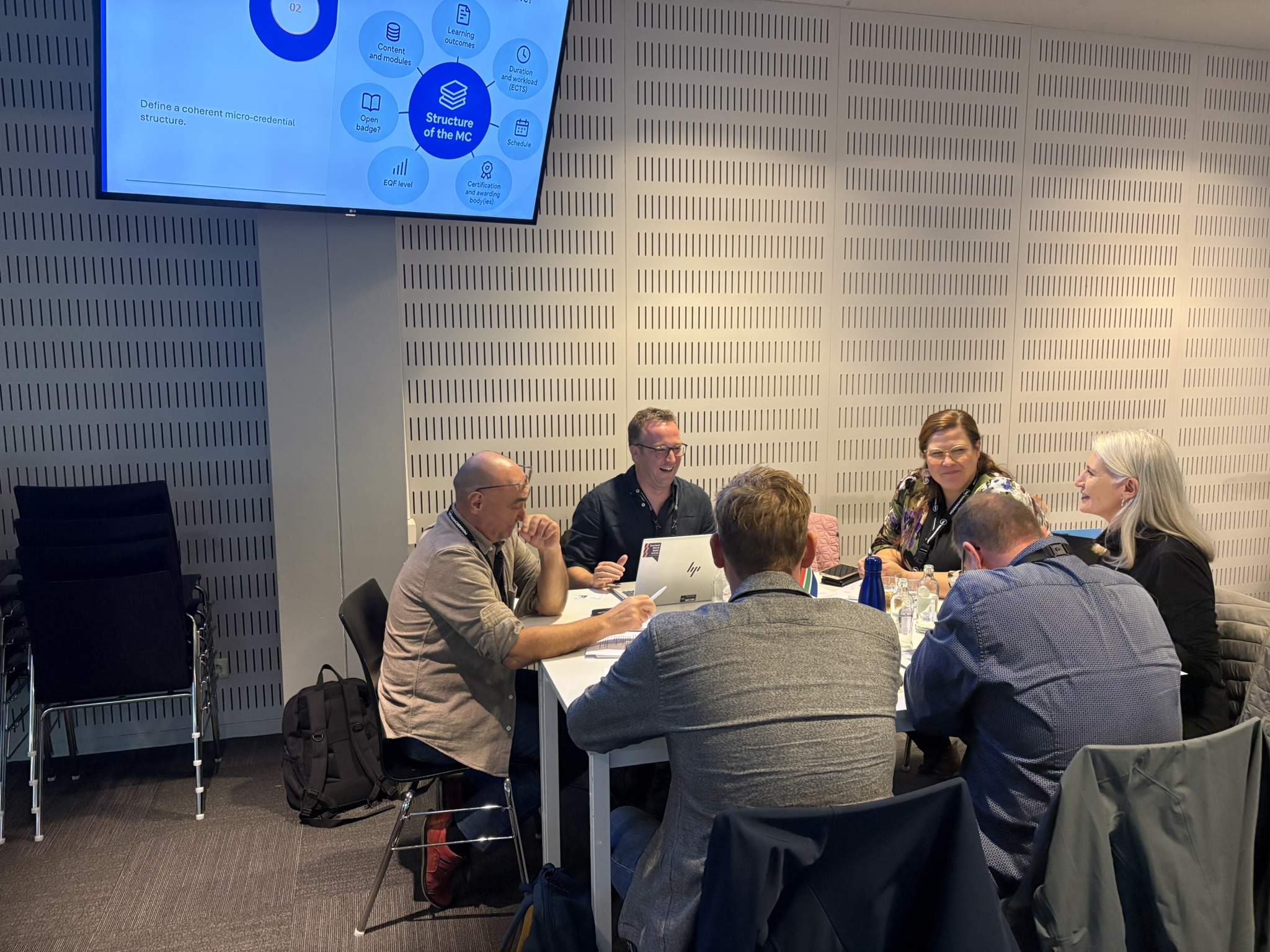
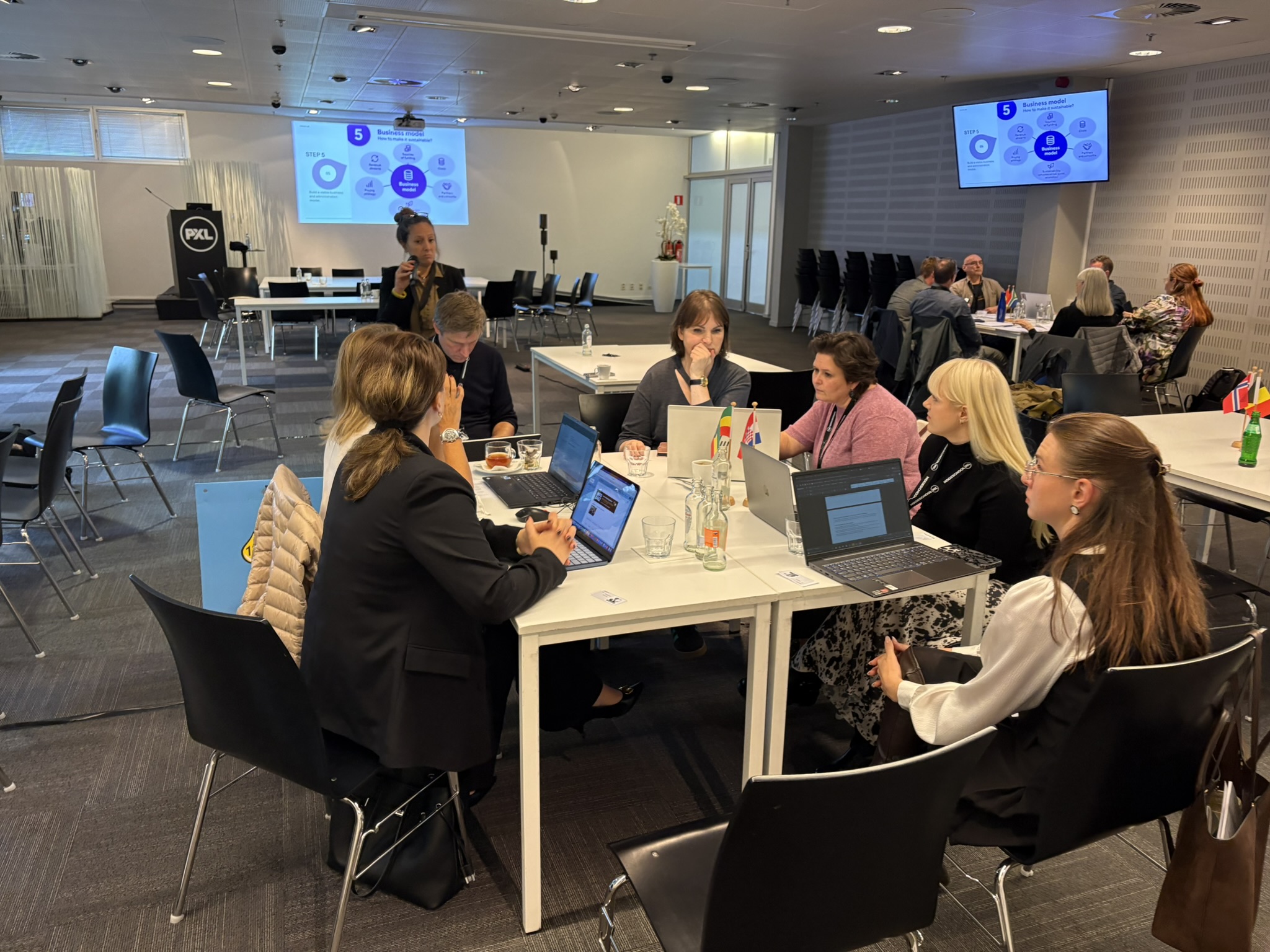
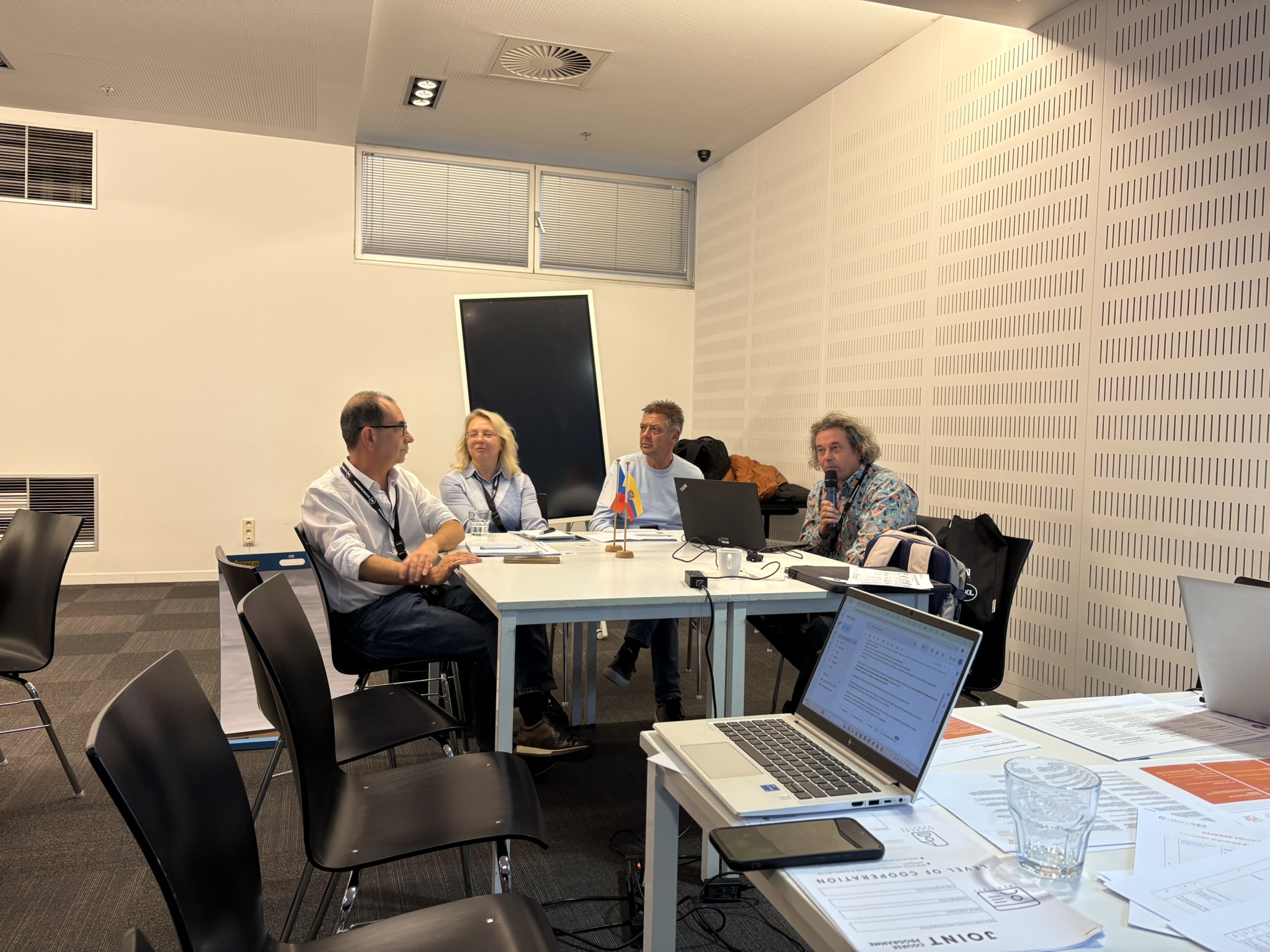
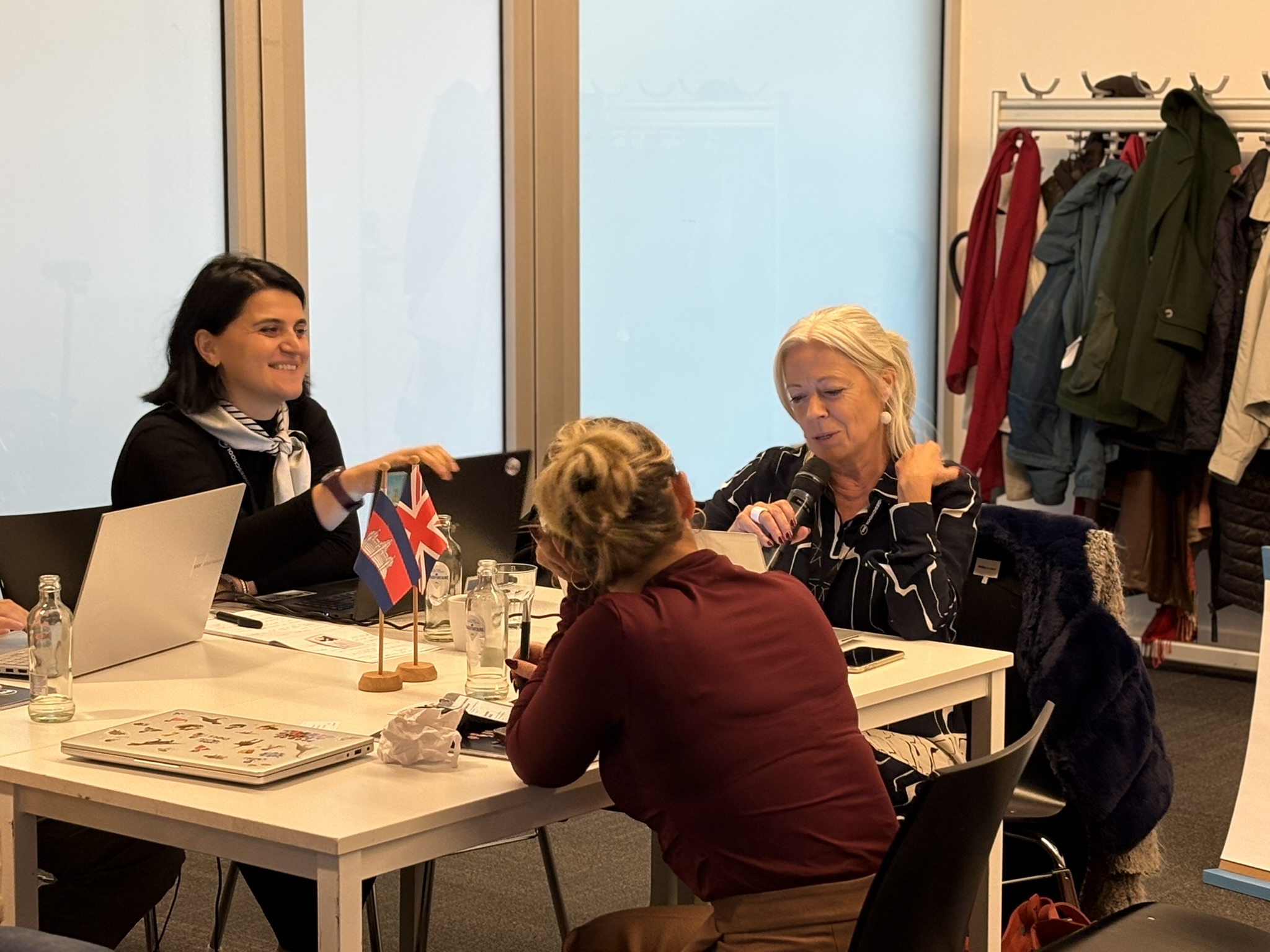
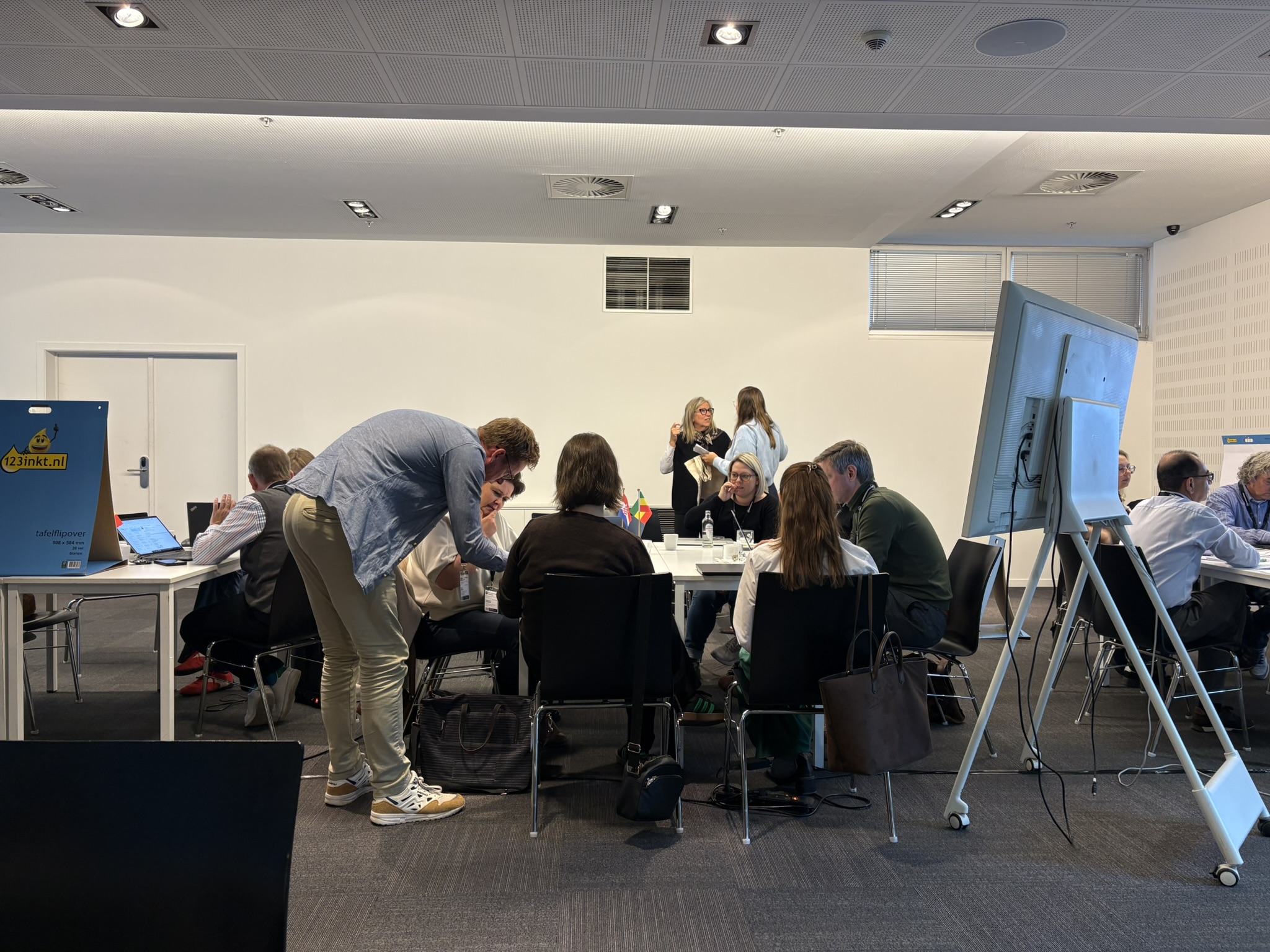
From 19 to 23 October, staff members from PXL-Education, PXL-Healthcare, PXL-People & Society, and PXL-Media & Tourism collaborated with colleagues from 18 higher education institutions across 15 countries to design innovative joint micro-credentials within bachelor's programmes. Working in international teams, they co-created five new micro-credentials addressing current societal and professional challenges.
PXL and Micro-Credentials
PXL has been investing in flexible and future-oriented education for years. Micro-credentials support this ambition by offering compact learning opportunities that enable students and professionals to acquire specific knowledge and competences for professional development, upskilling, and lifelong learning.
The development of joint micro-credentials is also closely aligned with PXL’s strategic ambitions in international curriculum development. In addition to creating joint learning activities, PXL is committed to further developing joint courses and joint programmes in which international collaboration is structurally embedded.
Through the DIVERSE Alliance and various Erasmus+ initiatives, PXL works closely with international partners to develop innovative and future-oriented learning opportunities. The Micro-Credentials Master Lab built on this experience by bringing partners together to co-create new micro-credentials.
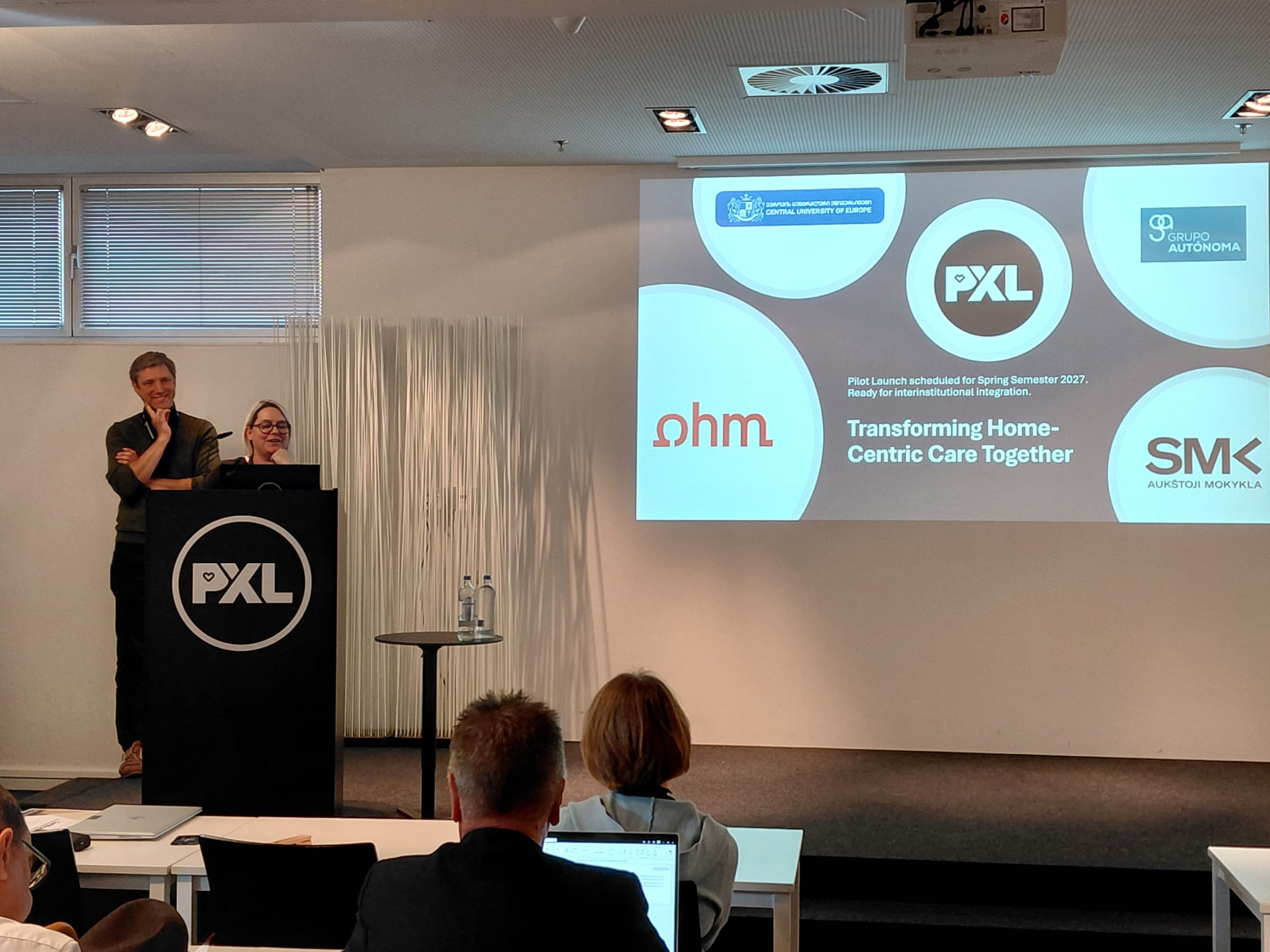
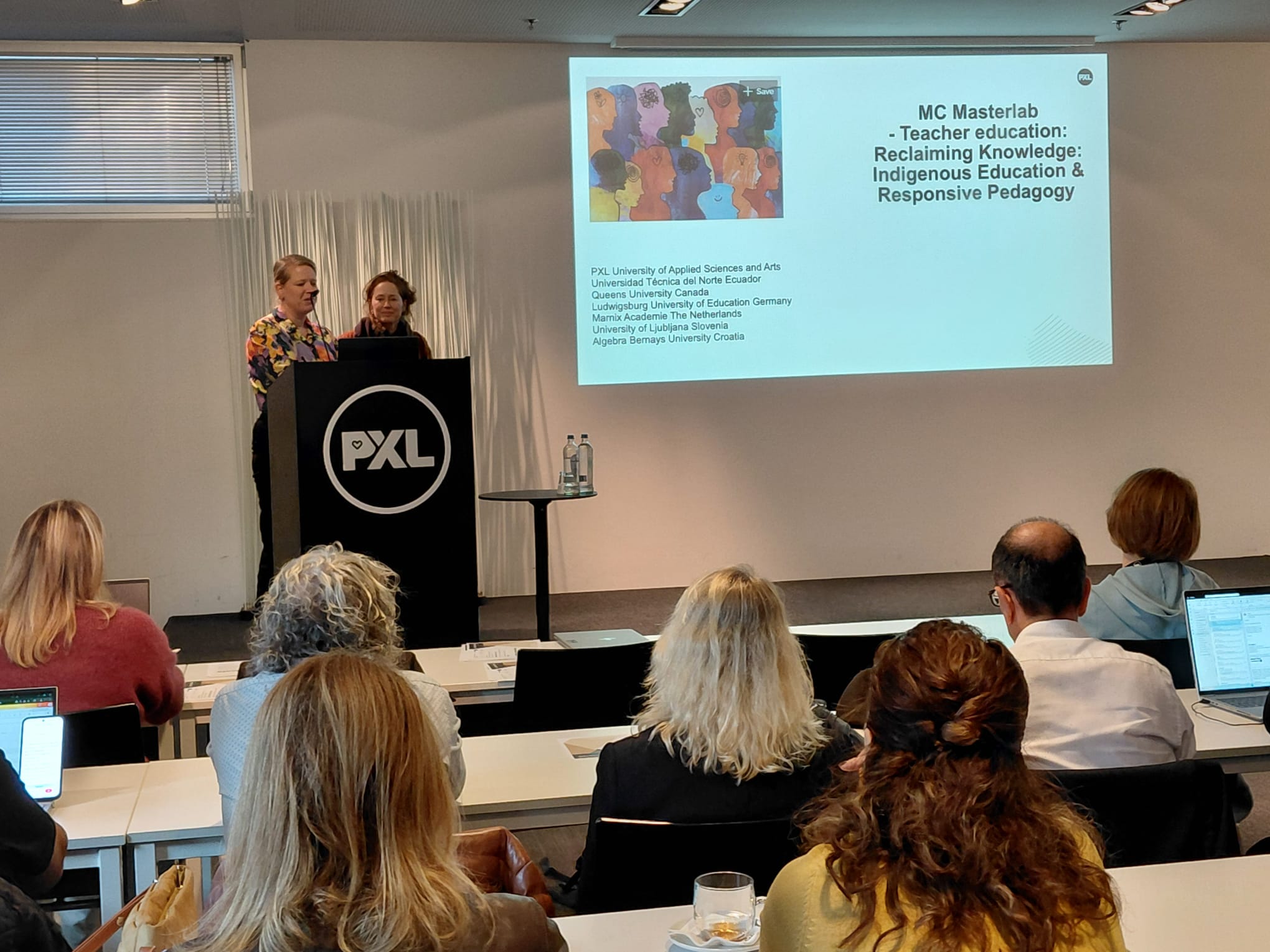
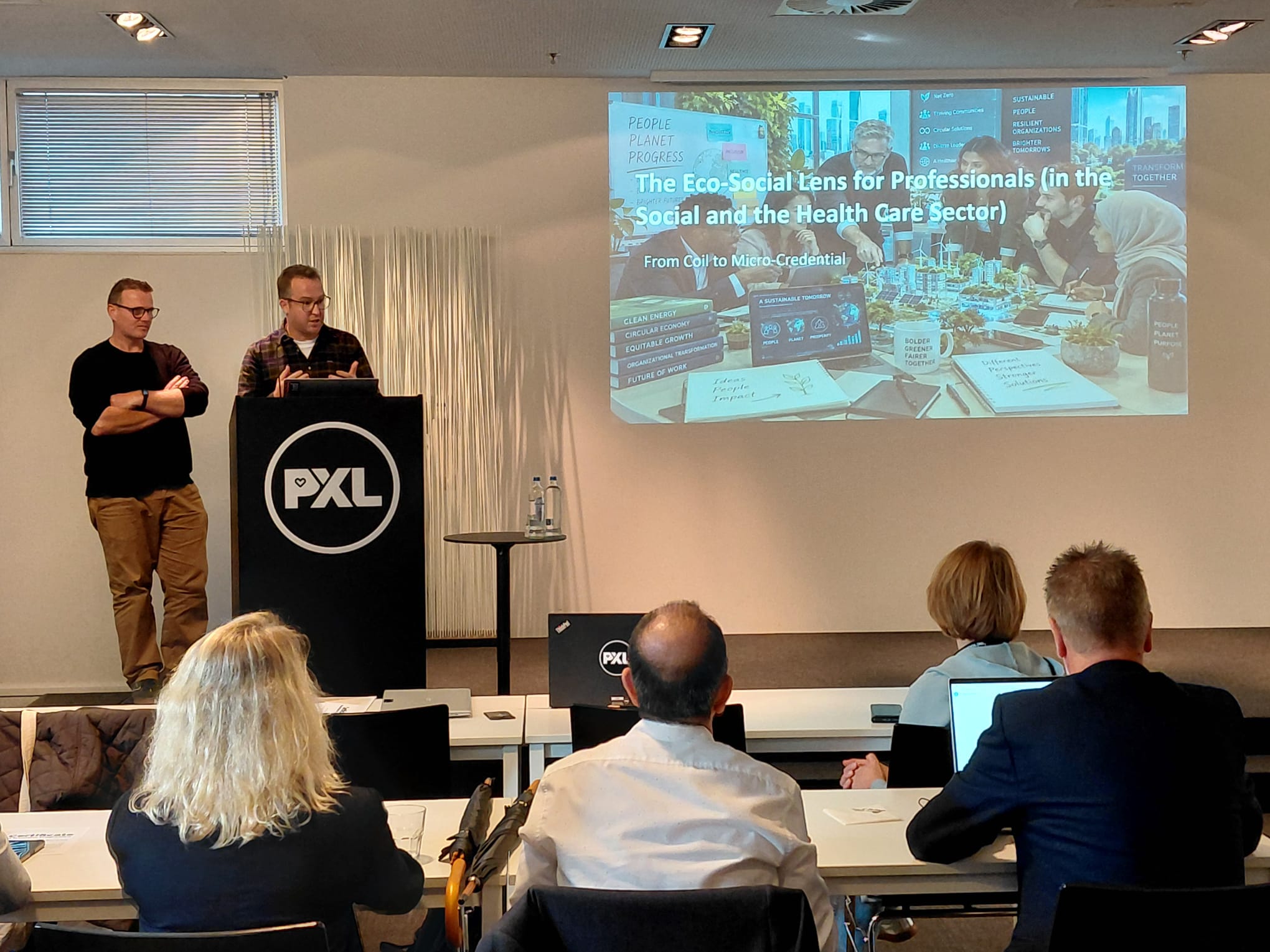
Participants worked in five thematic labs, focusing on entrepreneurial communication, interprofessional collaboration in healthcare, inclusive and culturally responsive teacher education, intercultural competences in tourism, and eco-social work.
From Policy to Practice
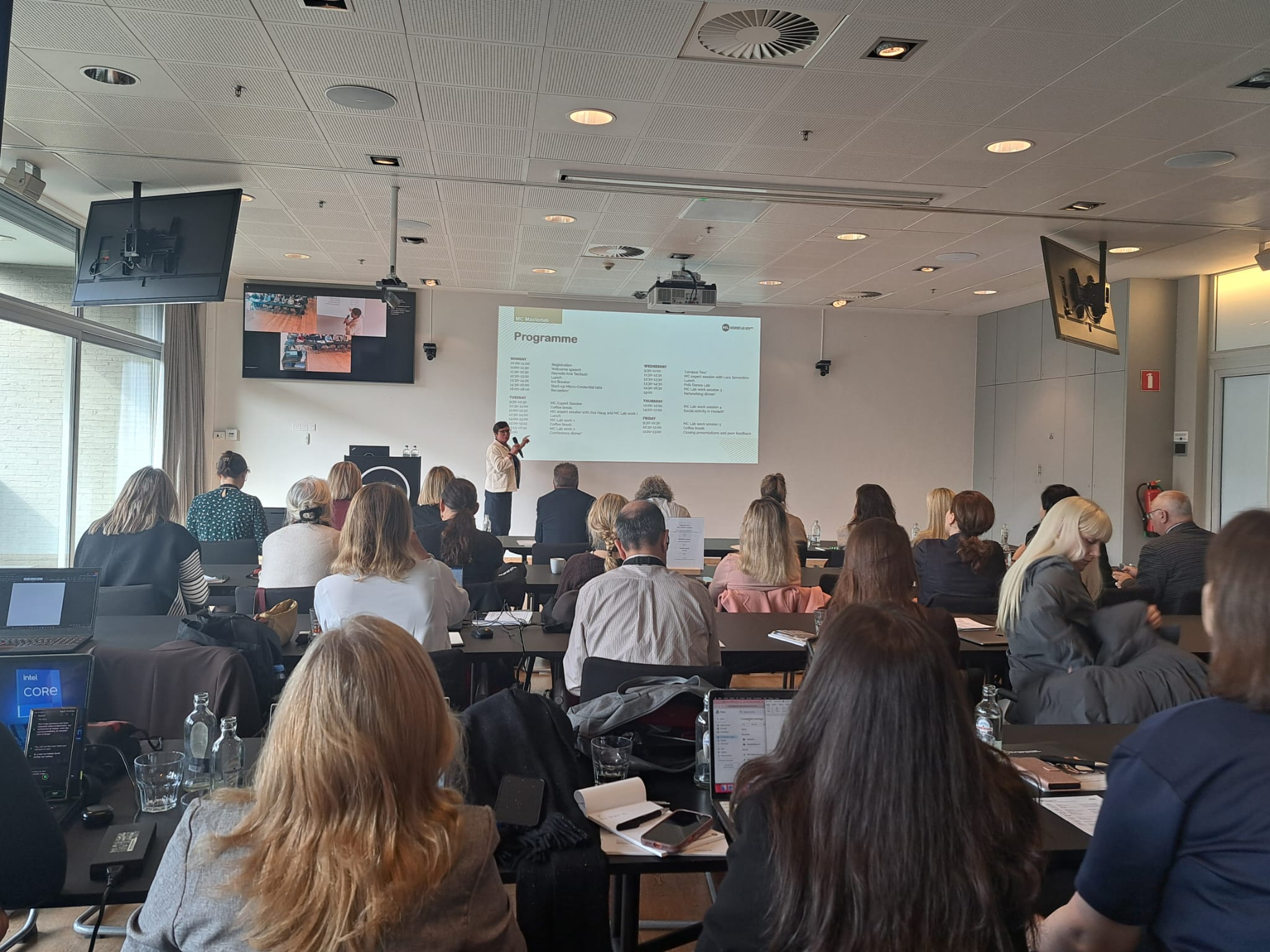
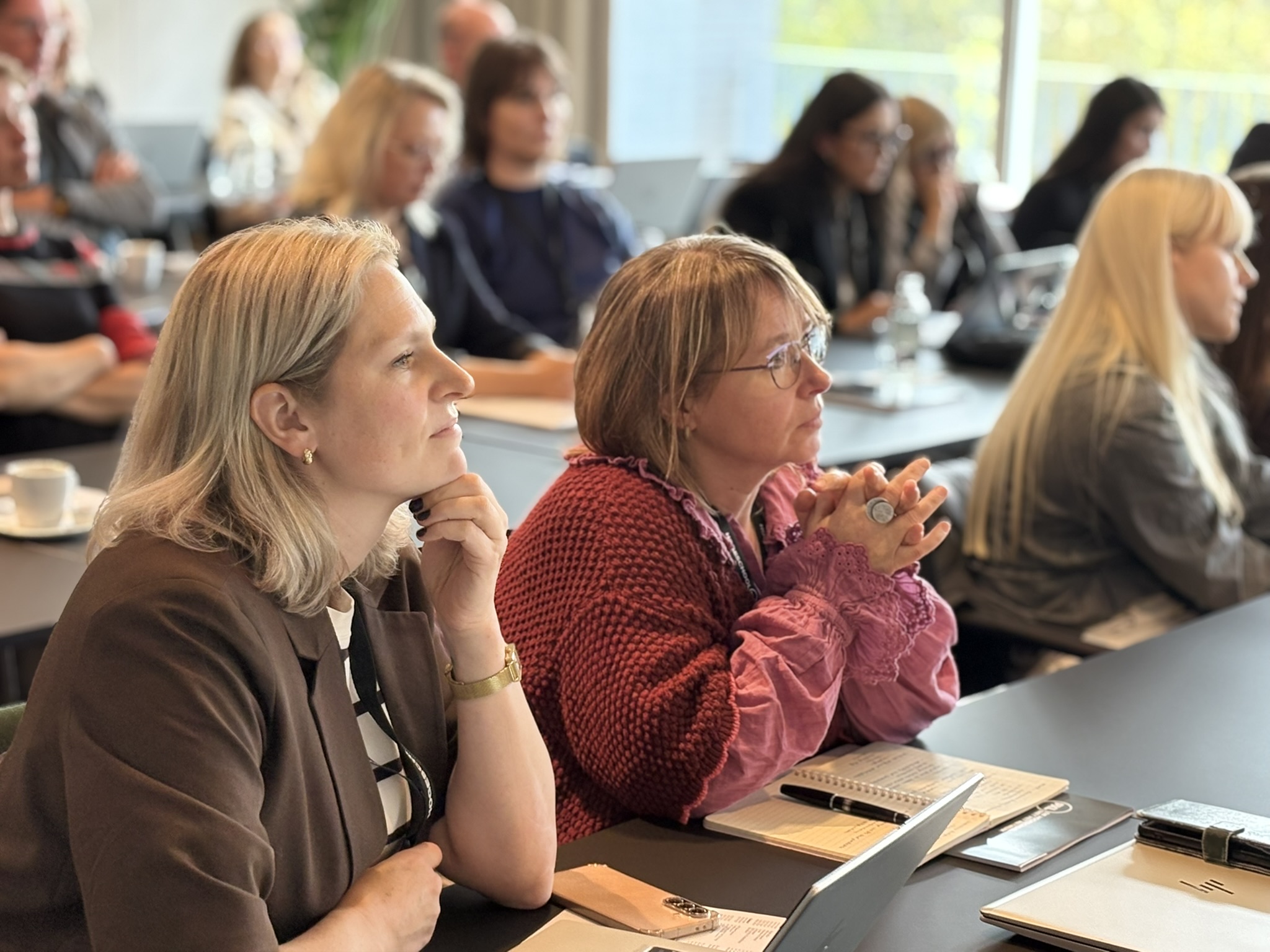
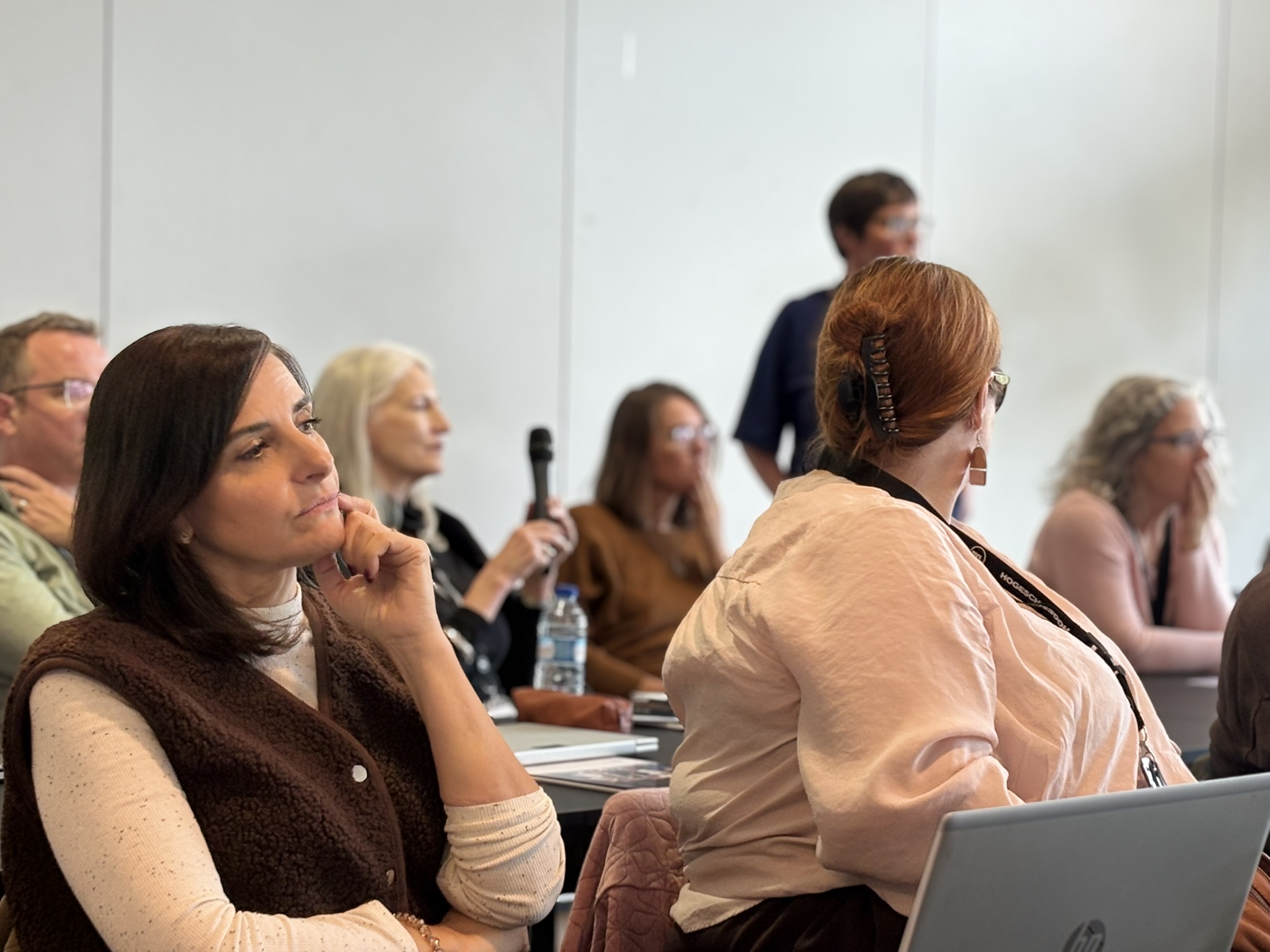
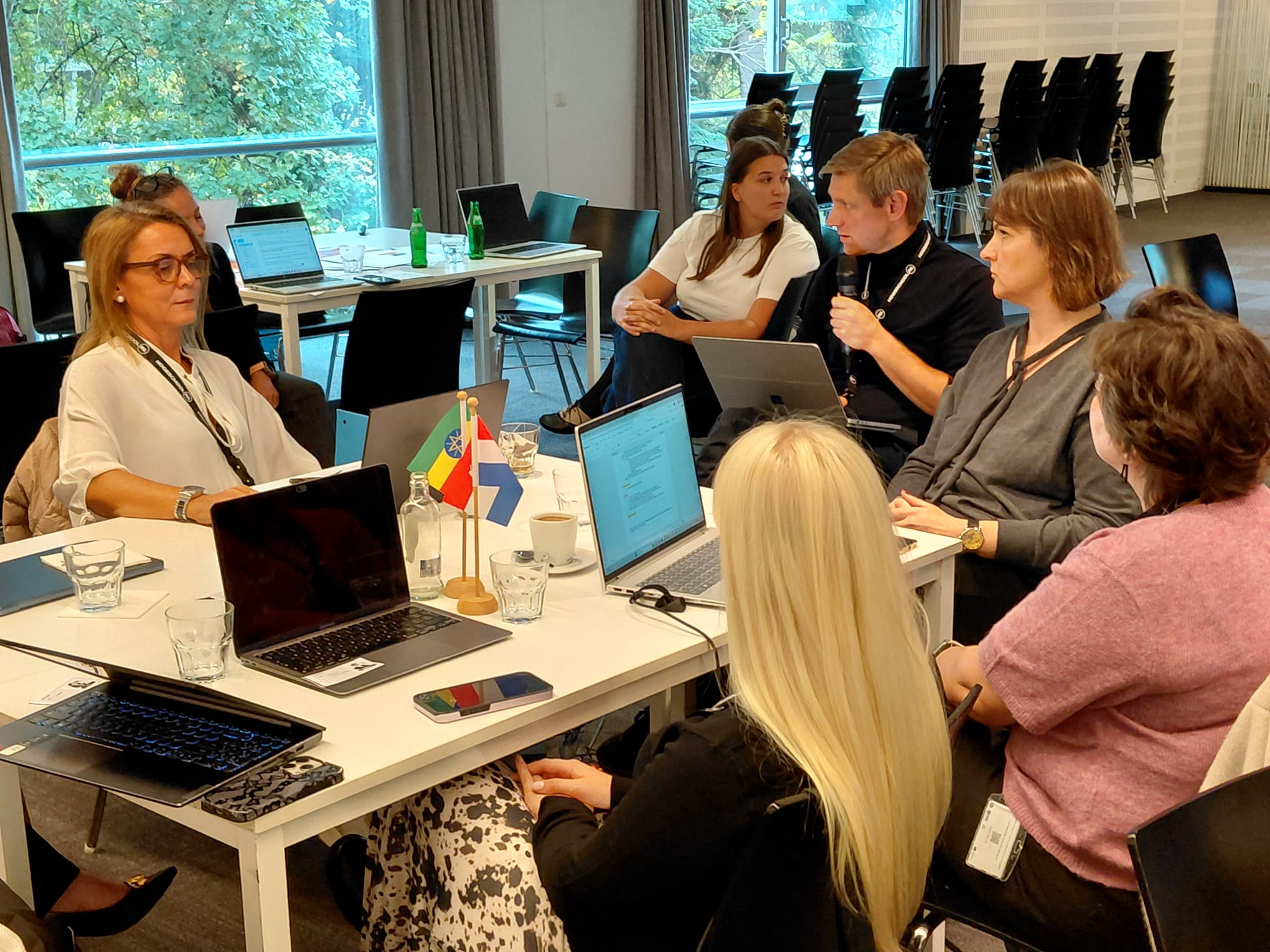
Rather than organising a traditional conference, the Master Lab adopted a hands-on approach. Through workshops, peer learning, and intensive co-creation sessions, participants addressed key challenges in joint micro-credential development, including quality assurance, labour market relevance, and sustainable integration within higher education.
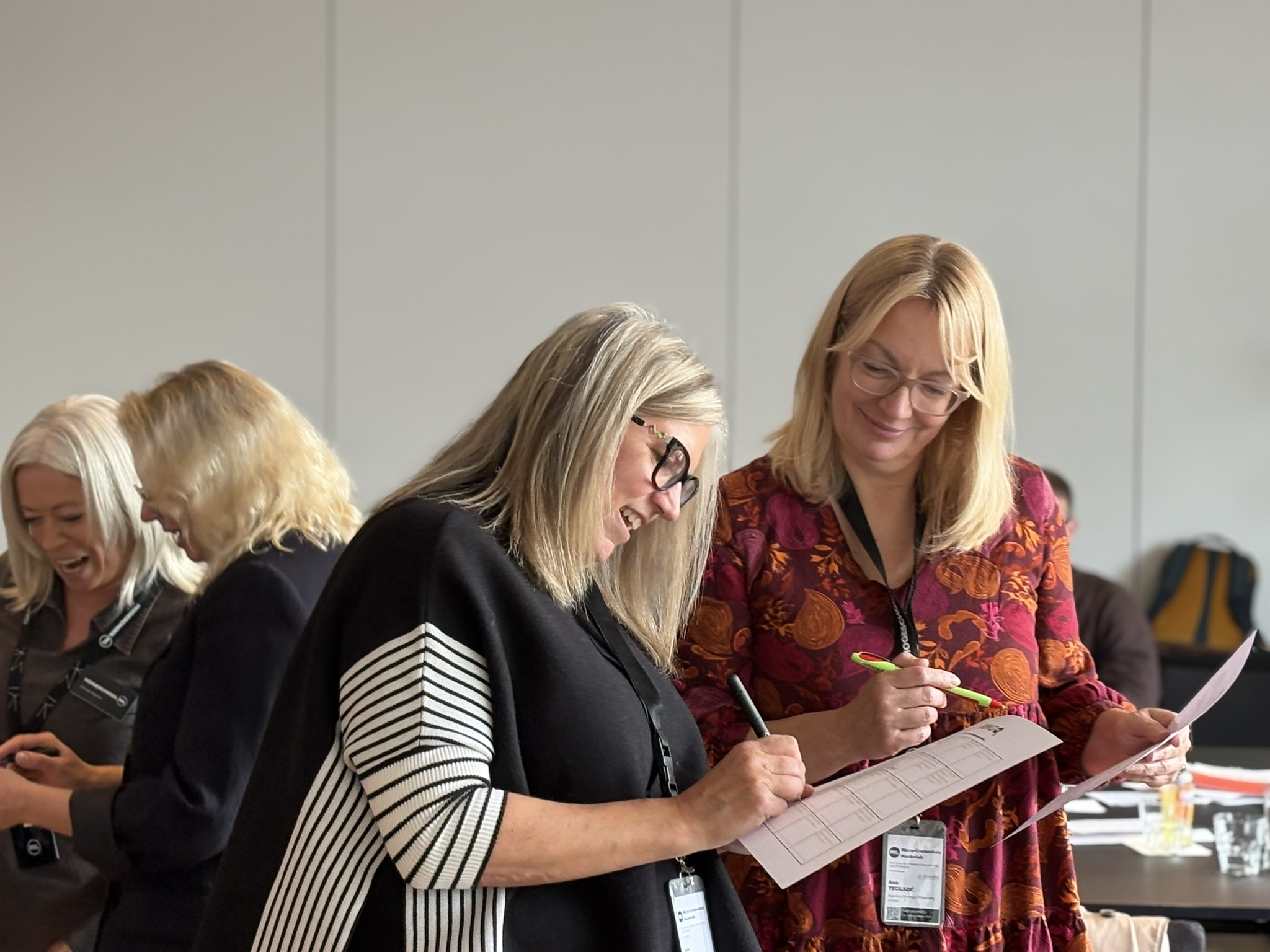
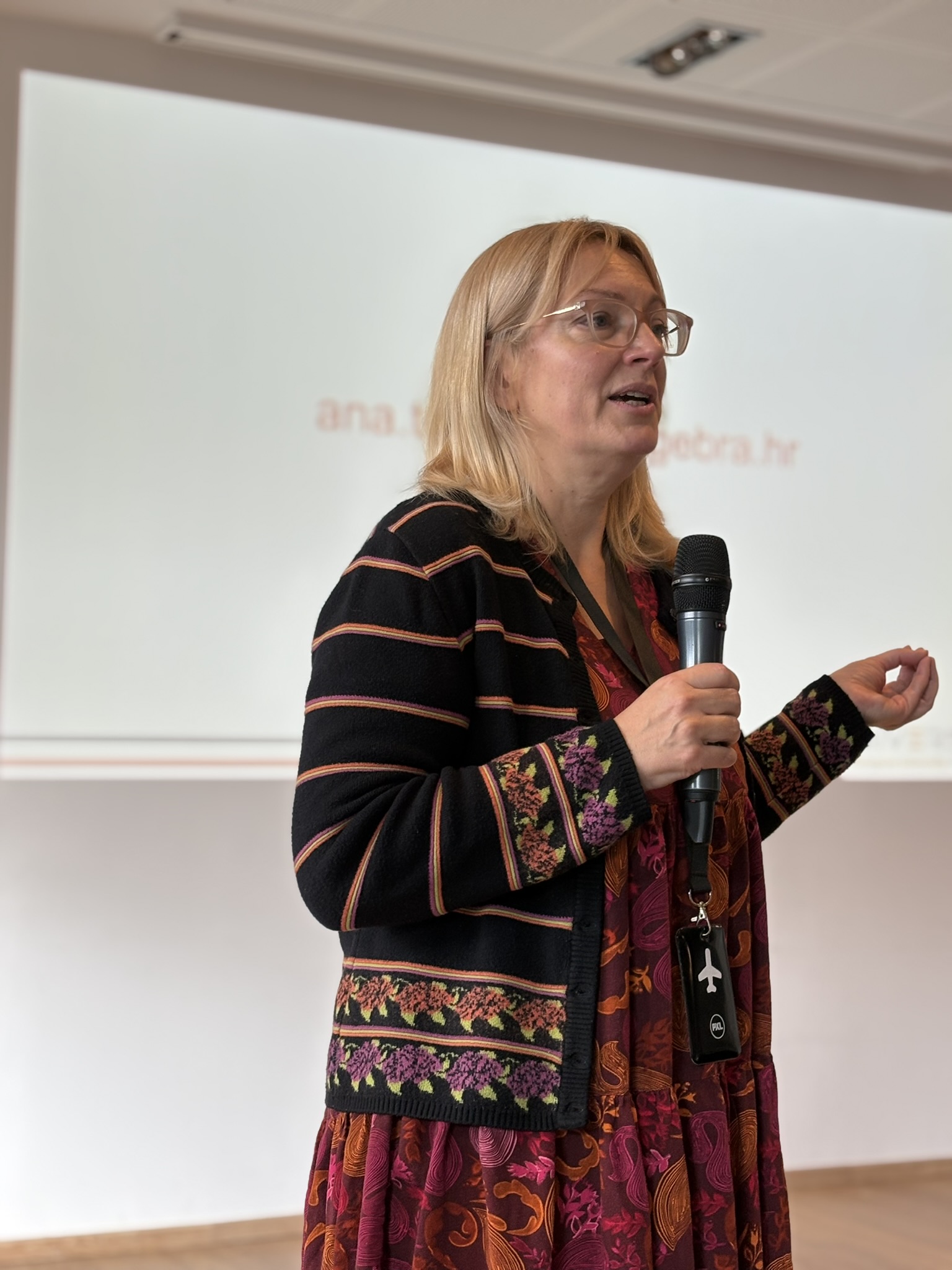
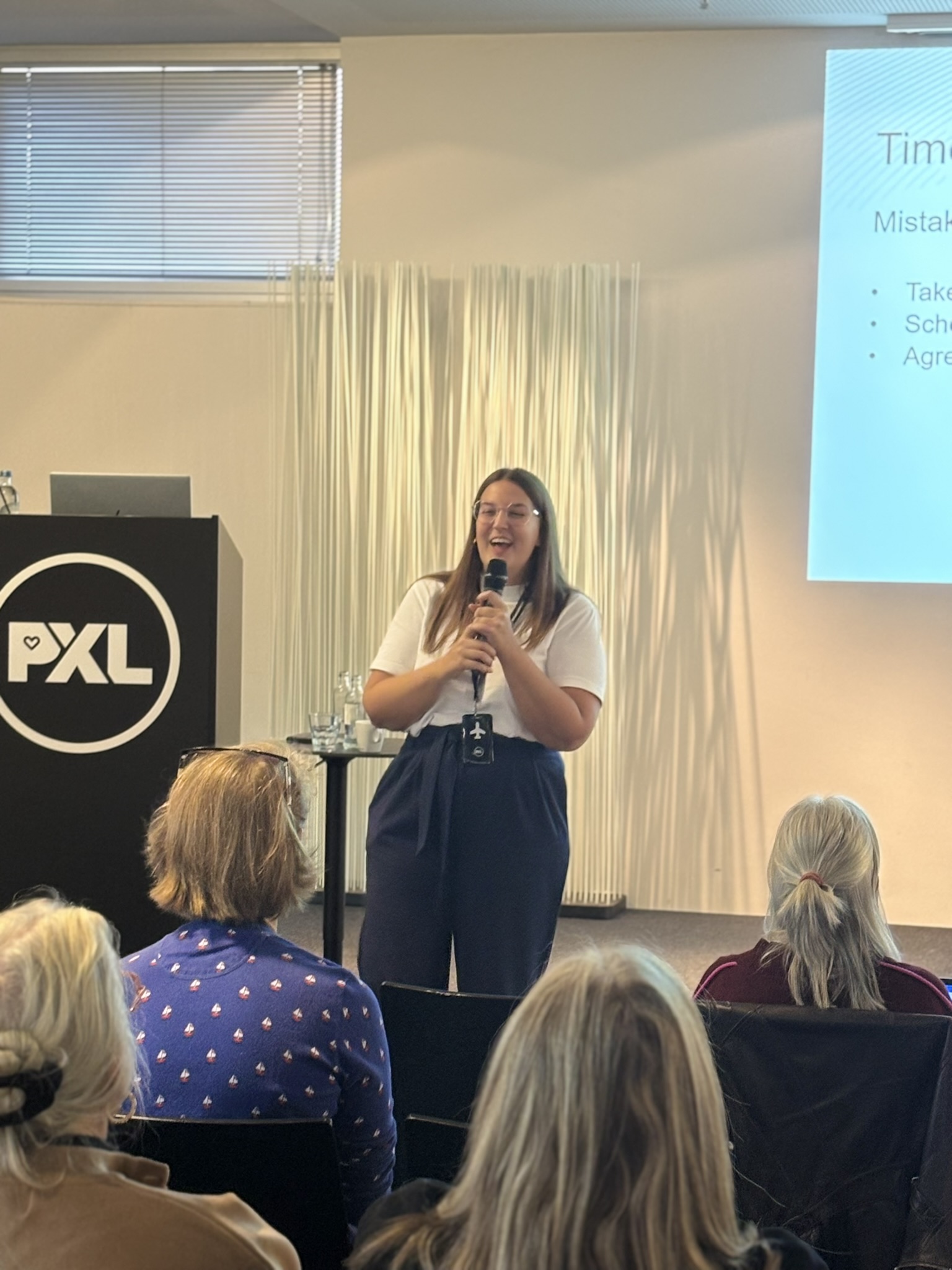
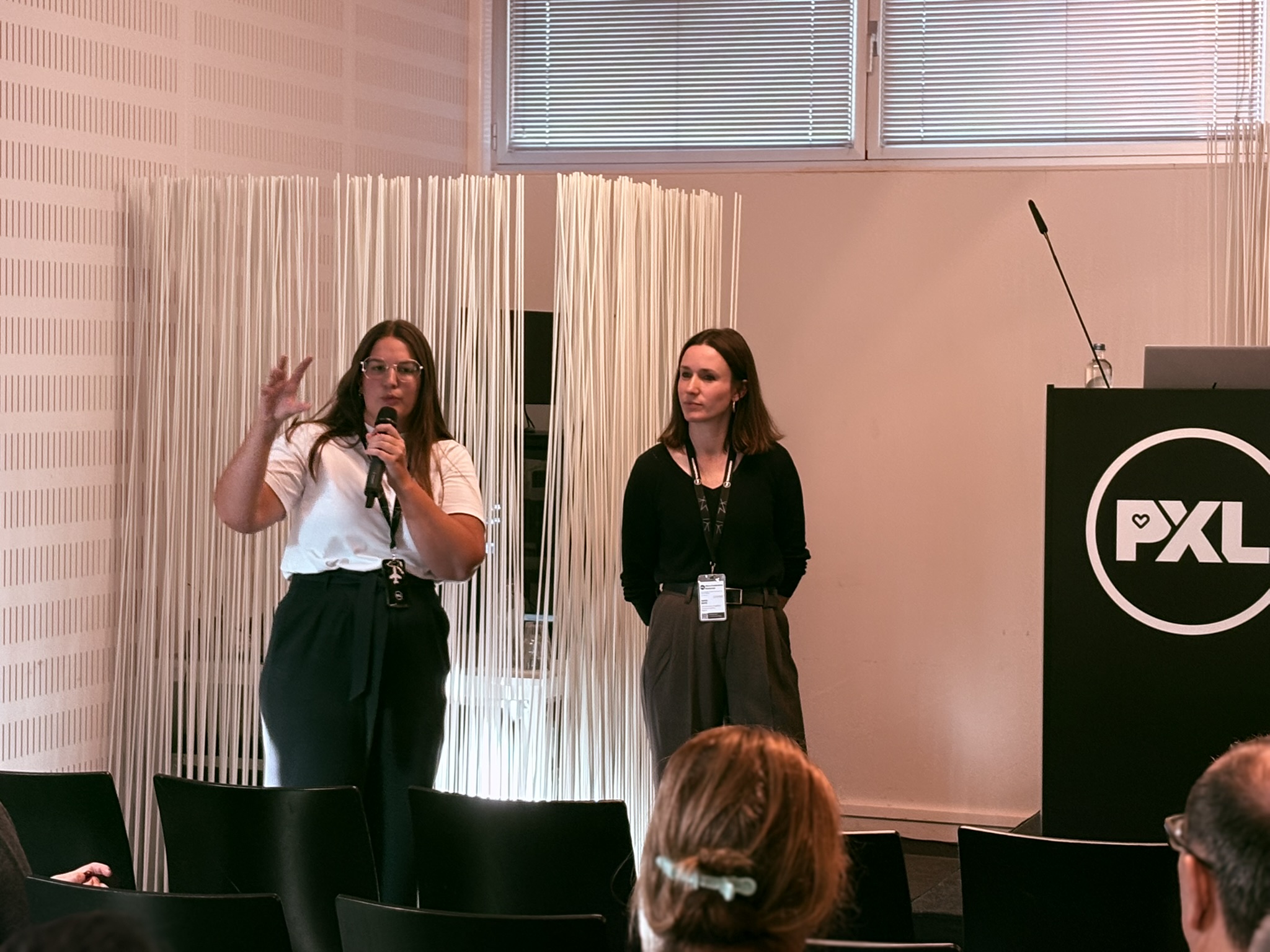
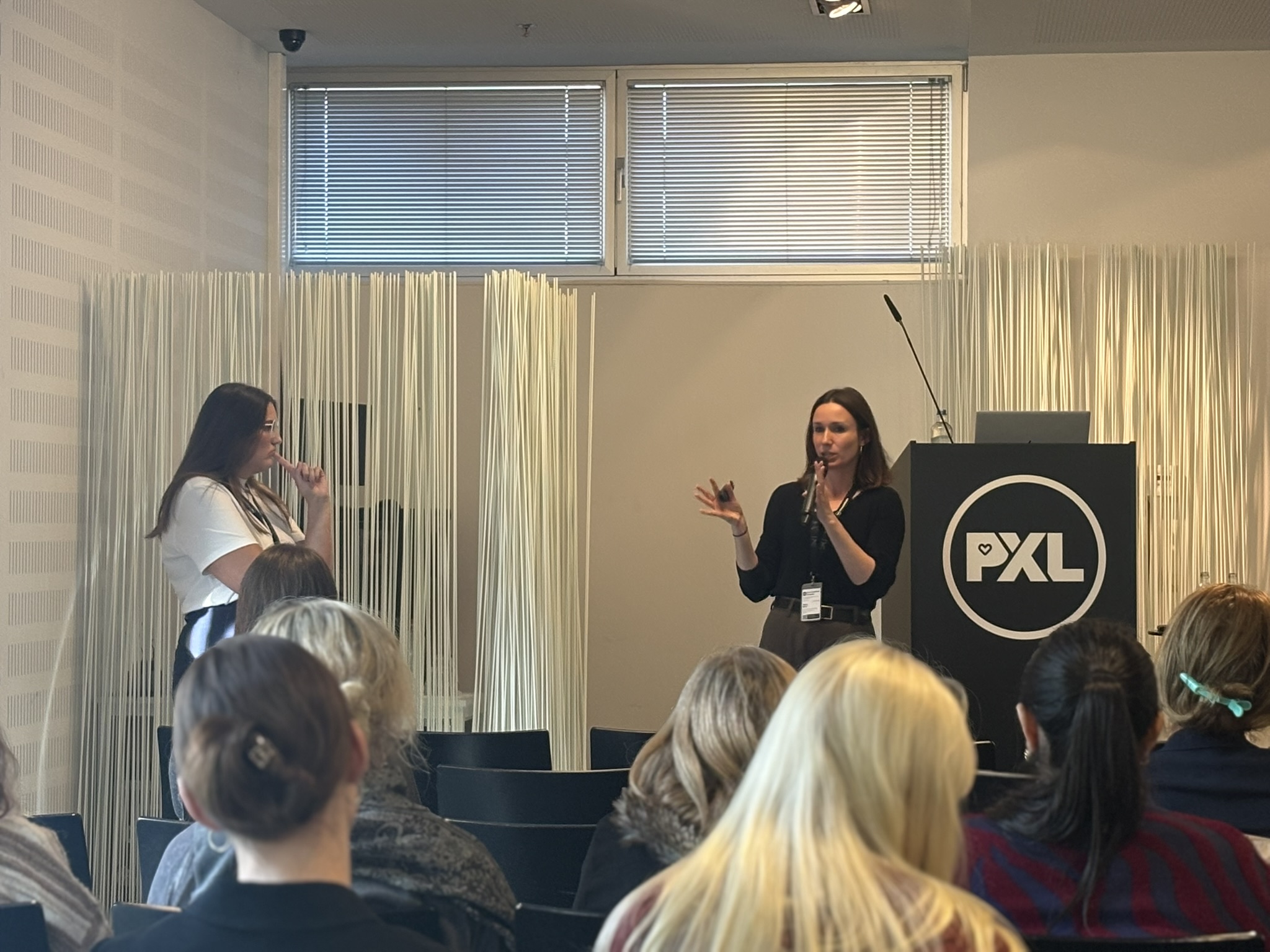
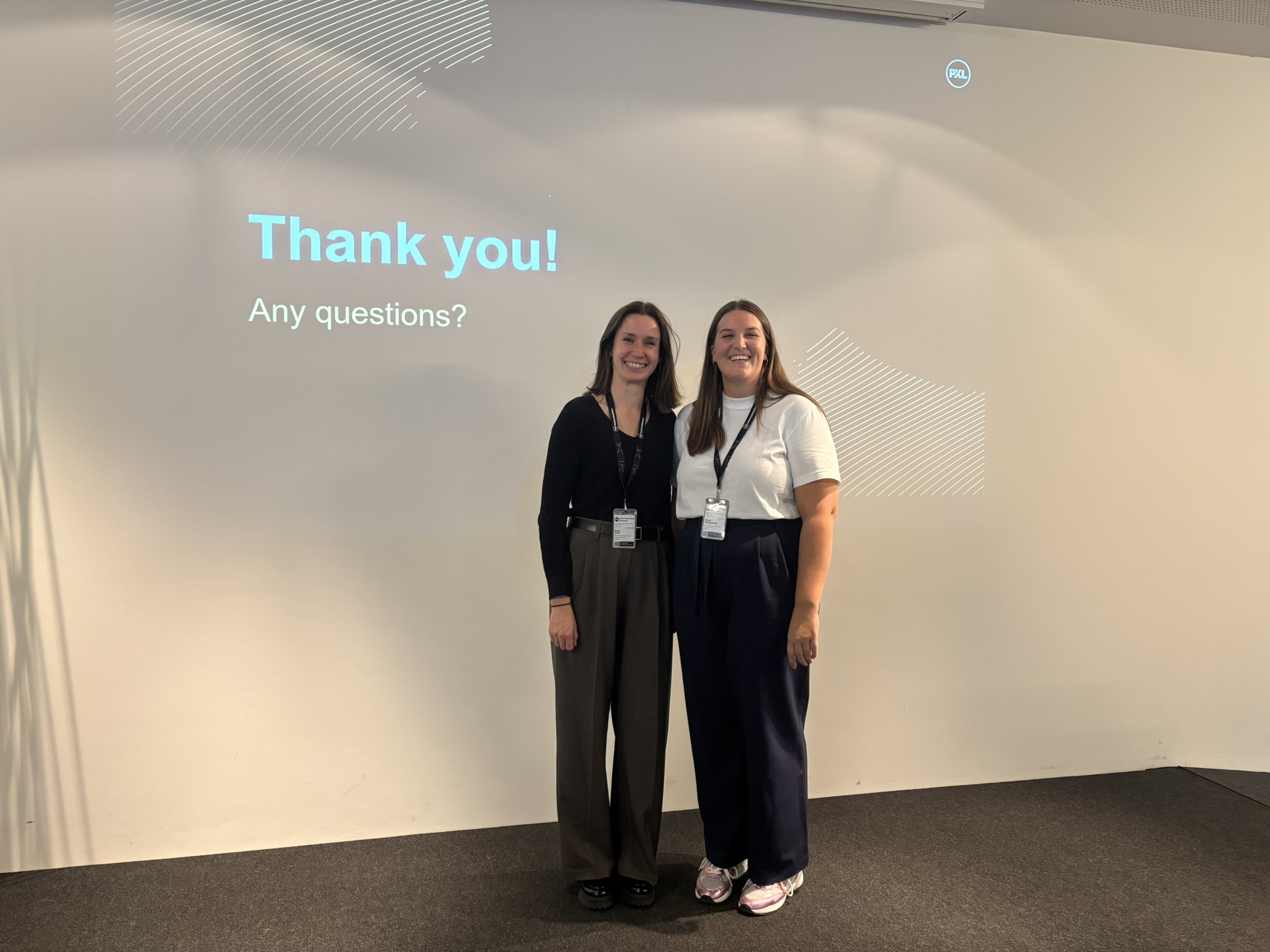
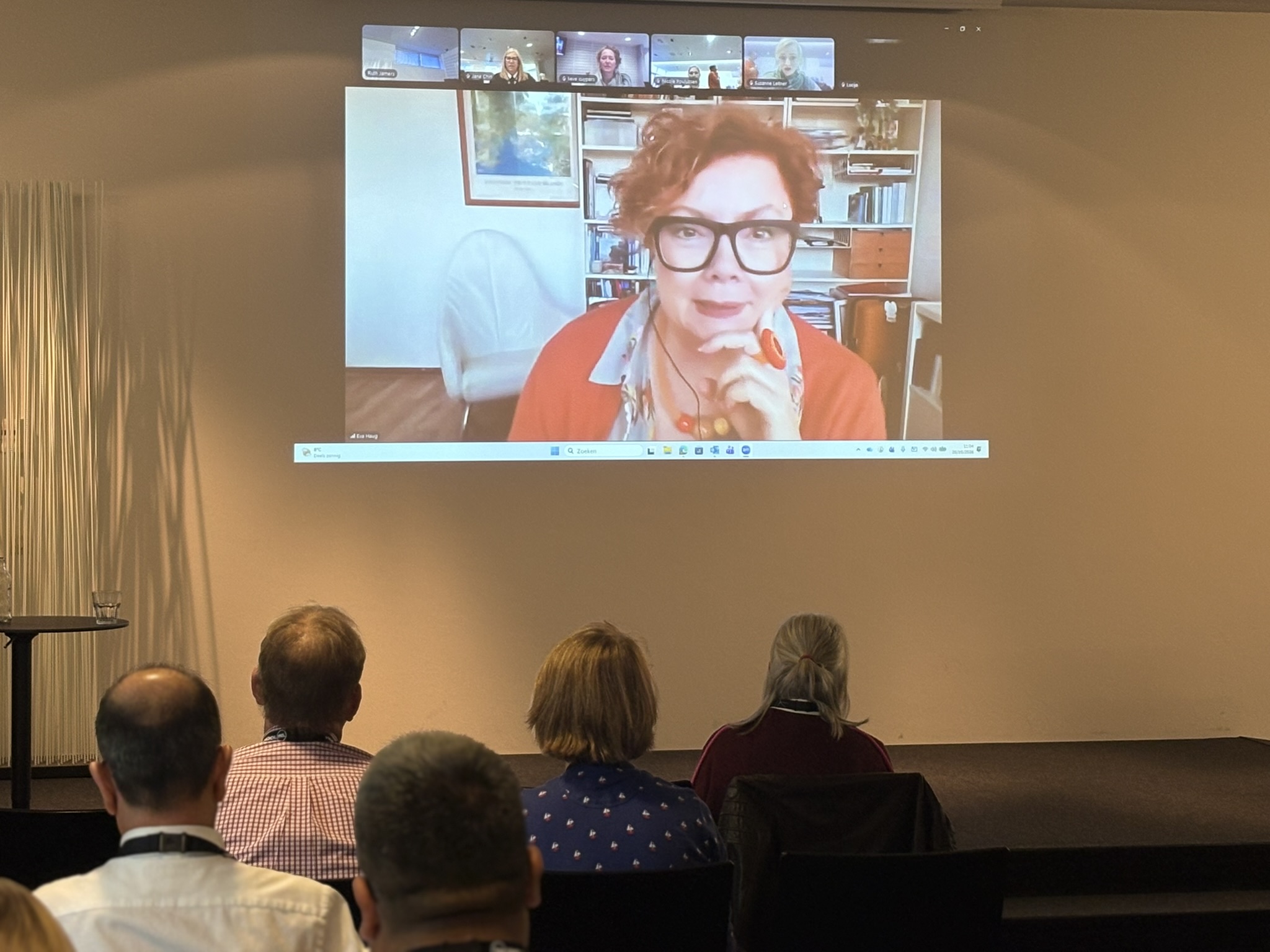
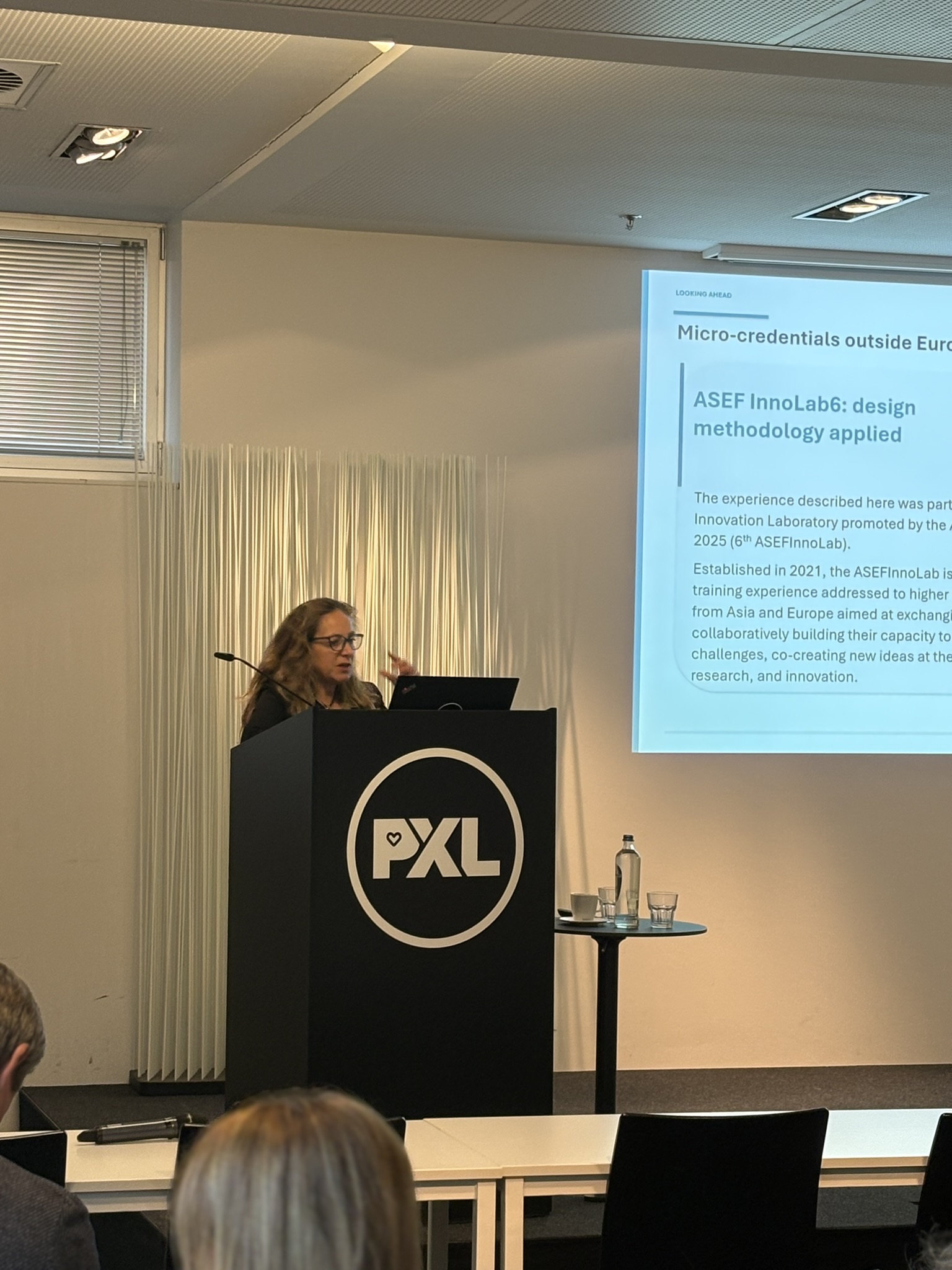
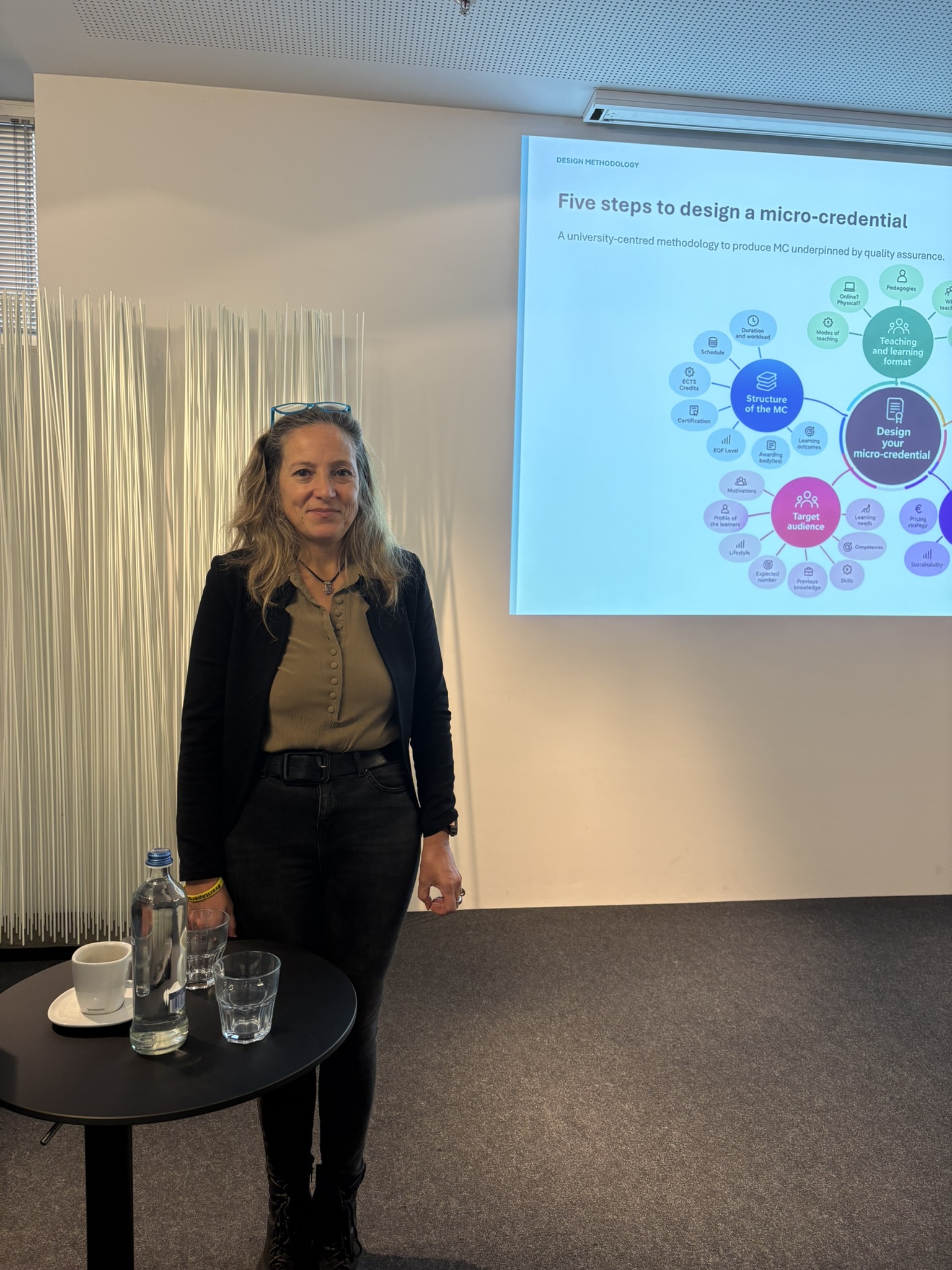
Furthermore, international experts, Ana Tecilazić, Eva Haug and Lara Sorrentino provided best practices for the practical application of the EU Policy Framework on Micro-Credentials and the development of COIL.
To tackle these challenges, participants followed a structured four-phase development model:
1. Define: identifying societal and labour market needs and mapping existing expertise and initiatives across partner institutions;
2. Discovery: developing a shared vision, defining target groups, and exploring opportunities for international collaboration;
3. Design: designing learning outcomes, learning activities, and assessment methods;
4. Destiny: creating an implementation plan covering quality assurance, promotion, delivery platforms, financing, and future rollout.
The methodology combined design thinking, stakeholder role-play, collaborative curriculum design, expert input, and international peer learning, enabling ideas to evolve into concrete and feasible micro-credential concepts.
The Added Value of International Collaboration
Participants brought together diverse professional, disciplinary, and institutional perspectives. This diversity proved to be a powerful driver of innovation. By combining experiences from different countries and institutions, participants challenged assumptions, shared expertise, and explored new opportunities for joint development.
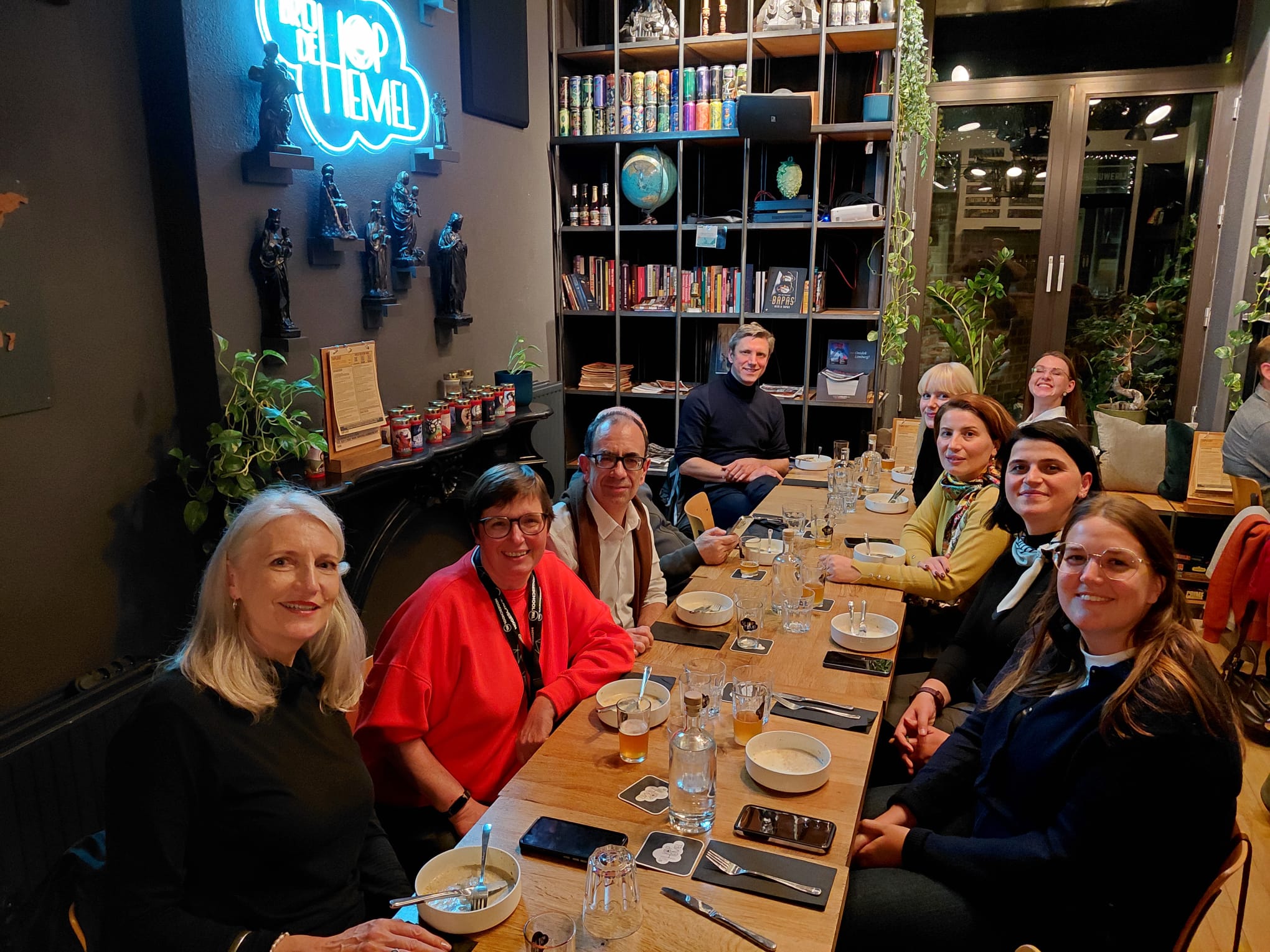
In addition to the five new concepts for joint micro-credentials, the week also resulted in a strong international network of education professionals eager to continue collaborating on flexible learning and curriculum development.
What Comes Next?
The end of the BIP marks the beginning of a new phase. Partners will continue working together to further develop, test, and where possible implement the concepts within their institutions.
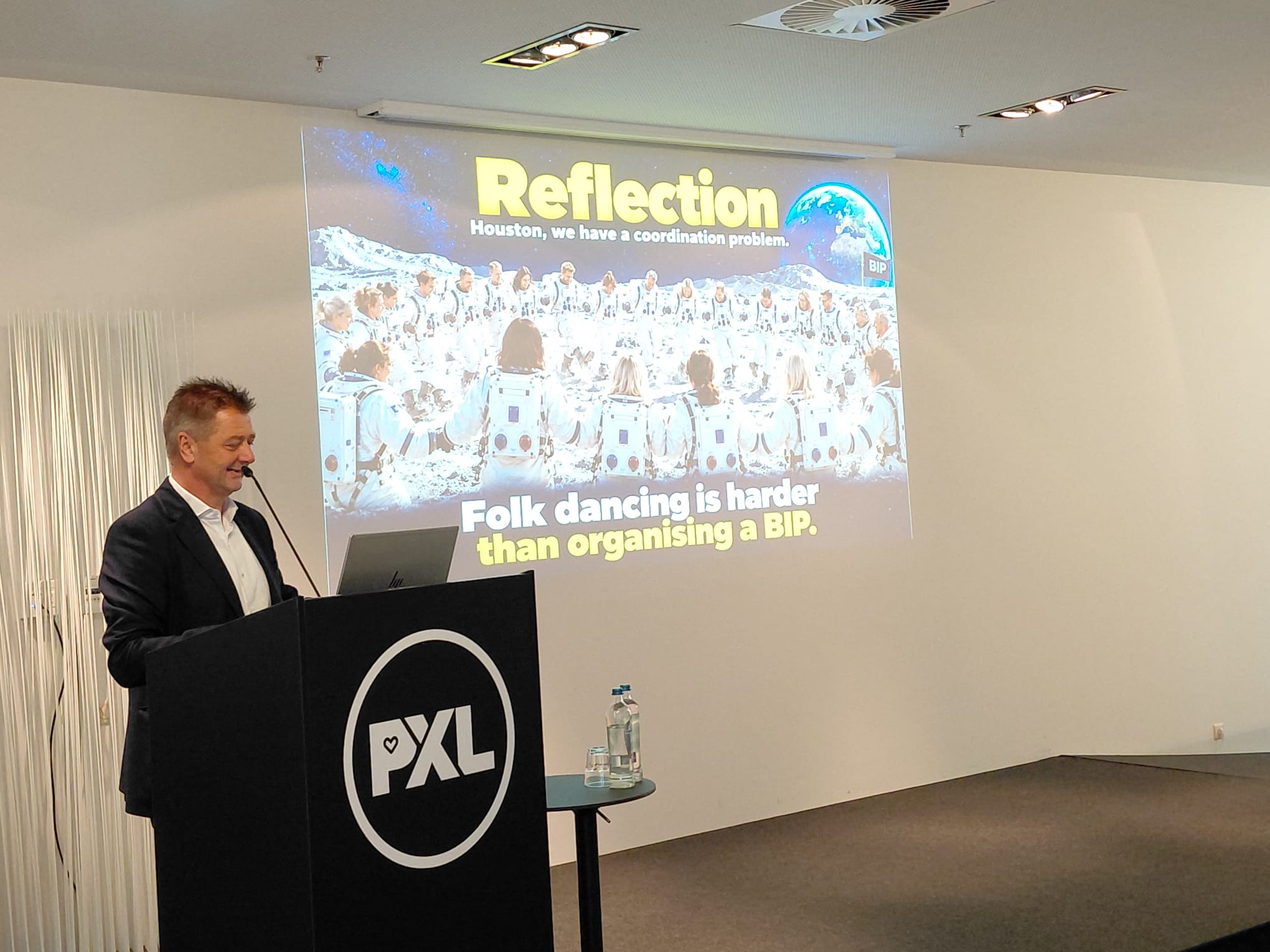
Additionally, PXL plans to present this method for the organisation of a Masterlab at the 2027 EAIE conference in Lisbon as a best practice for the development of joint Micro-Credentials.
The Micro-Credentials Master Lab delivered more than innovative ideas. It also provided a practical methodology for international curriculum development and demonstrated how collaborative design can support the creation of high-quality, flexible learning opportunities.
In doing so, PXL further strengthens its role as an active contributor to the international development of micro-credentials, joint courses, joint programmes, and flexible higher education.
Curious to Learn More?
The Master Lab website - BIP for Staff: Micro-Credentials Master Lab
Organisation
This Masterlab was organised by PXL Educational Development and PXL International In collaboration with the DIVERSE Alliance. The organisation benefitted from Erasmus+ funding for Blended Intensive Programs (BIP).
It was a pleasure to organise this Masterlab!
Warm greetings from Hasselt,
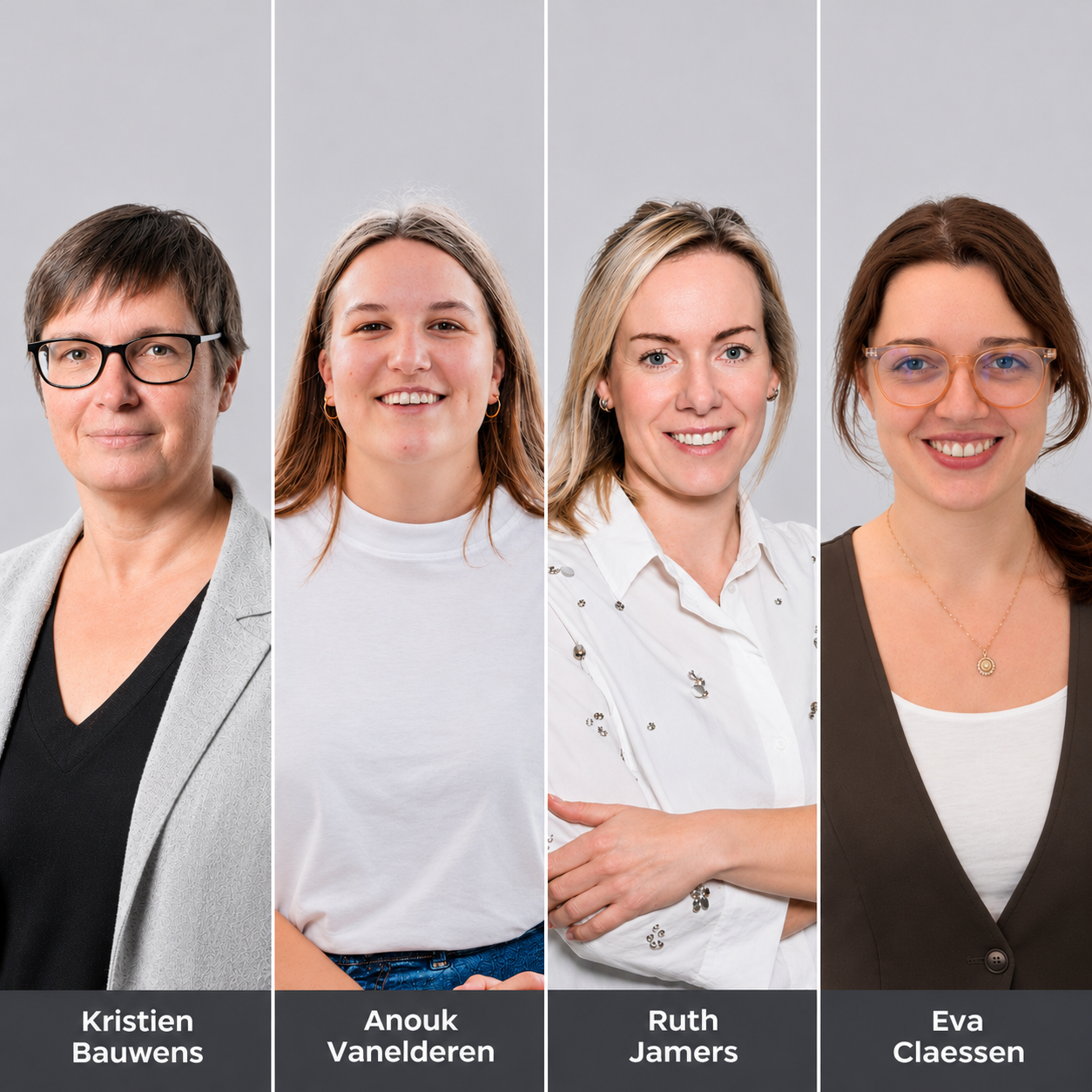
Anouk Vanelderen (PXL Educational Developer), Ruth Jamers (PXL Educational Developer), Kristien Bauwens (PXL International) and Eva Claessen (PXL International)